Road Tripping, Rondawels and Rhinos - Kruger National Park
Elephants! That was the brief. We did the groundwork, puffed up South Africa without sounding too arrogant or full of ourselves, and now it had to prove itself. Not that we have any doubts on that score, but expectations had to be met.
Fortunately, the Kruger National Park speaks for itself. I was so excited I almost sang the golden oldie “Ag Please Daddy take us to the Drive-in” while sucking on liquorice balls! This sense of anticipation is what makes the experience so engaging for travel enthusiasts and nature lovers alike.

Johannesburg left our Maple Leaf confused. The contrasts of an African country must be baffling: the extreme wealth on the one hand and the poverty and decay on the other, and that’s going from Houton to Hillbrow.
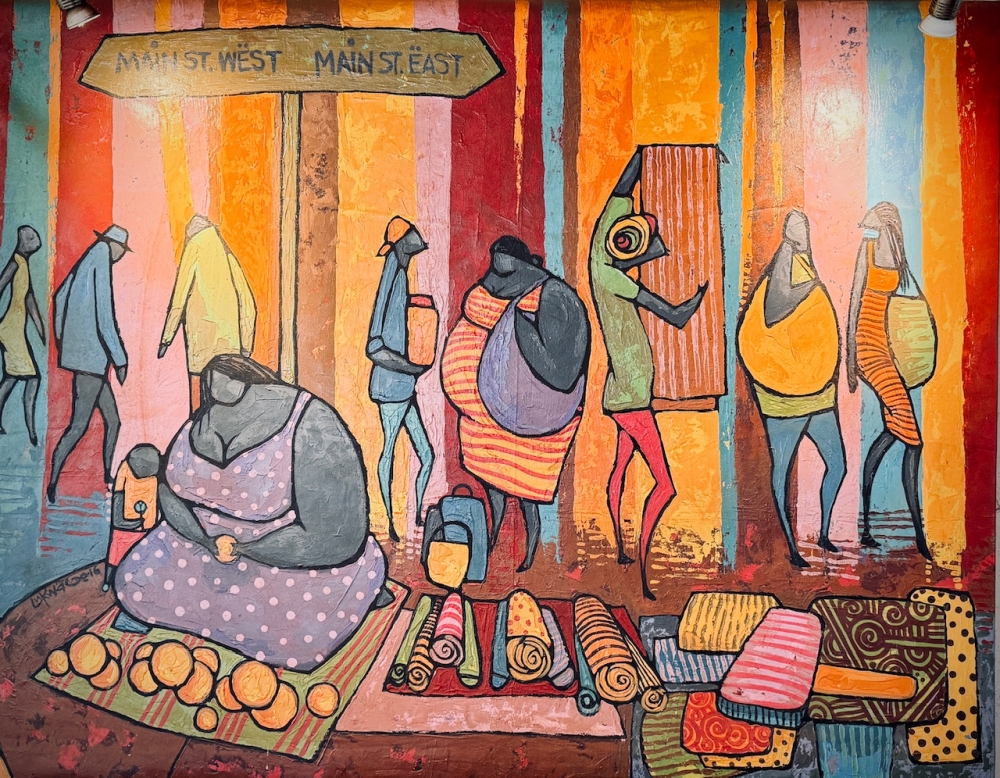
Where children go to schools like Roedean or to makeshift shacks in informal settlements. People walk the streets here, live on them, trade on them, and have loud, sing-song conversations in languages ranging from French to Farsi. From colourful to drab, loud to quiet, hot and dusty to shady and peaceful, from the old to the New South Africa. Where there's seldom a pot of gold at the end of the Rainbow Nation.

The Highveld grasslands are turning golden, crops are flourishing, promising bumper crops for maize farmers, and then we descend into the Lowveld, with its magical Acacia trees and the lush vegetation of the sub-tropics.
I point out Uplands, the once-small private school I attended in White River 45 years ago, when Mr. Walmsley was headmaster. Here, rural development is in your face; the sleepy villages have become huge towns, and homes are dotted as far as the eye can see. Street markets bustle with vendors selling delicious end-of-season mangos, early avocados, nuts, and seasonal vegetables.

Numbi Gate was the most convenient entrance to the park for us. Our SANParks Wild Card once again proved its worth. To make the most of being “pensioners,” we decided to take advantage of special offers on accommodation.
We stayed in Pretoriuskop, located within range of Skukuza and Lower Sabi—a smaller camp with well-maintained rondavels, family cottages, and camping facilities. The buildings have received a recent coat of paint; they’re fresh, clean, and neat. We experienced a few minor inconveniences, but they were all sorted out effortlessly.
The Wimpy restaurant was a welcome sight; few things beat a good Wimpy Coffee! The staff were all very friendly and eager to serve customers. I hadn’t had a good Milkshake in decades, so being treated to a decadent Iced Coffee shake was sheer bliss. I slurped every last drop like a child, embarrassing my Beloved.

We were in Jock of the Bushveld country, a place where you can smell and touch the earth, where the earth still knows the spirit and preserves the memory of that brave dog. “Fortune is not in time or place or things, but, good or bad, in the man’s own self for him alone to find and prove.” Percy FitzPatrick, Jock of the Bushveld.

The advantages of visiting the Kruger Park during the week, outside the school holidays, are enormous and well worth considering. We had many amazing sightings, all without the crowds. We’d often be alone, enjoying the sights rather than jostling for pole position with other frustrated and irritated travellers.
On one occasion, we had to queue to see a pack of wild dogs, and while we waited, we observed human behaviour at its worst! Bullying and general road rage surfaced as soon as the crowds arrived. During one of our game drives, we were fortunate enough to sit peacefully amid a herd of elephants as they grazed, observing their habits and interactions.
We loved watching the calves play, try to find a cool spot in the sand, drink water, and spray themselves with their untrained, floppy trunks. For two hours, we enjoyed this without another tourist in sight. What bliss. Even the lone Giraffe felt comfortable with us around and wasn’t in the least perturbed by our presence.
This peaceful connection with nature is what makes the experience so special for those who cherish the wild.

Wild dogs are one of my favourite sightings, and we were delighted to see them on two occasions. Soon, we realized we’d come across their den, right next to the road under a bridge near a stream and a pool of water. We saw them on the hunt, lazing after a hunt, and quenching their thirst. Made my day!
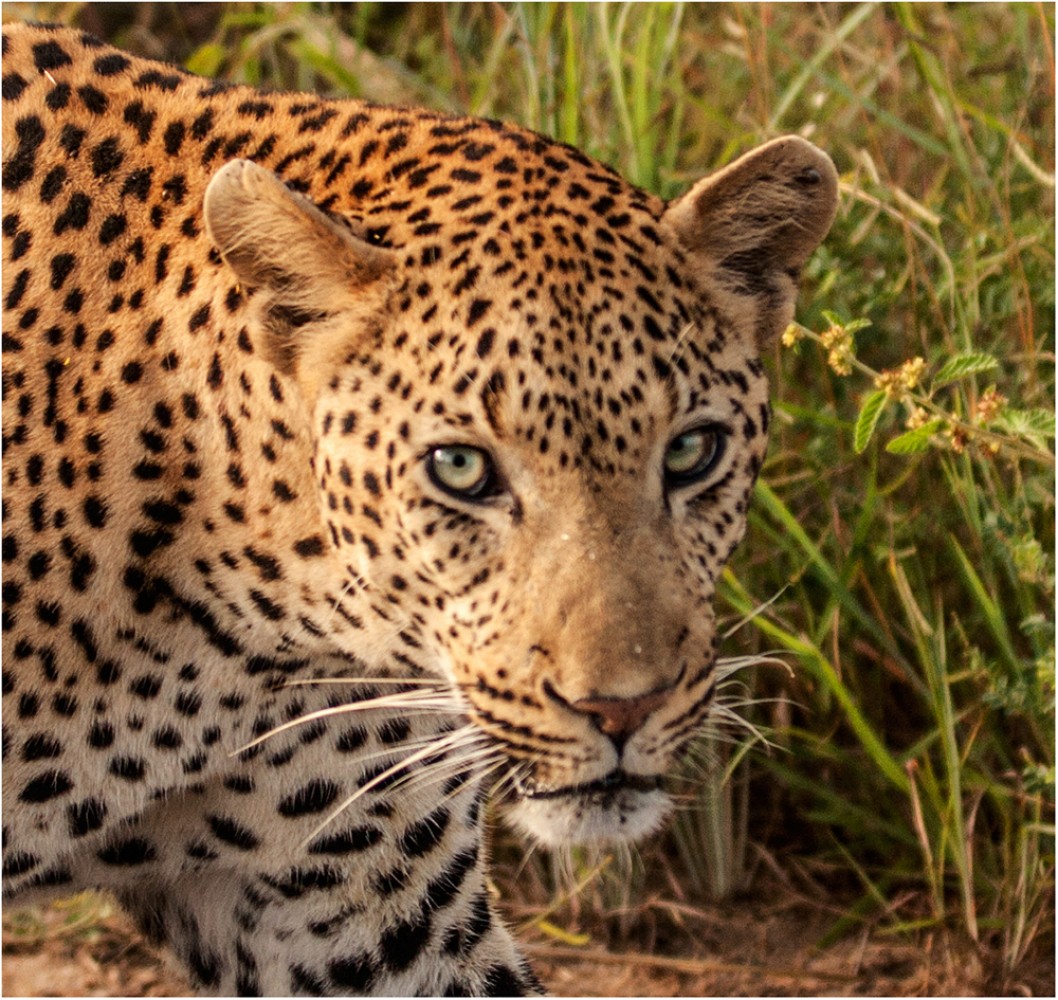
Ticking off the Big 4 isn’t difficult in Kruger, especially in the area we were exploring, but seeing the elusive Leopard is always challenging, first because it’s nocturnal and shy. It blends in so well with its surroundings. But we saw a magnificent specimen early one morning, just after sunrise, ambling along without a care in the world. We ticked off no. 5.

Every evening, after our afternoon swims and naps, we’d pack a picnic basket with delicious dips, crackers, biltong (like jerky, but better), and cheese, fill our fridge with beer, tonics, and sparkling wine, and head off to a watering hole. To make the most of your visit, consider going on weekdays or outside peak seasons, and bring binoculars, a good camera, and insect repellent for a more enjoyable experience.
While sipping our G&Ts or Pink bubbles, we’d quietly watch the hippos, crocodiles, or swallows flying low, dipping and sipping water from the tranquil lake. Where on earth could one watch the sun set in a more idyllic spot?

It wasn’t surprising that while watching the changing landscape, I spotted two new rocks on the faraway shore. Then they moved, so, being the excellent spotter that I am, I informed the General (as in General Factotum – my Beloved) that I’d spotted two rhinos.
He dismissed my observations with a snort because he said, “Rhinos don’t drink water during the day”!
“Surprise, surprise,” I chimed. “They do!” He was surprised! As it was nearing the end of the day for us (the gates close at 18h00 in the summer), we decided to enjoy them for a short while before heading home. We settled on a few last-minute photographs when our Canadian spotter chirped, “Look, there’s a lion”!

With her tail up in fighting mode, she crept forward, turning her head now and again to check behind her. That’s when we realized she wasn’t alone! Two more girls were waiting in the wings for secret signals from the forerunner. They were on the hunt!

We were all dumbstruck; Lions, as a rule, don’t hunt Rhinos. This was a sight to behold, and not even the Game driver in the nearby vehicle moved an inch. As the three lionesses circled, tails quivering, ears flat, we noticed two more appearing behind the Rhinos, causing a distraction and drawing one of the rhinos away. Battle moves were unfolding, but our clock was ticking, and we had a deadline. Time flies when you’re having fun. In the perfect golden light, we filmed and photographed a few minutes of the hunt. With heavy hearts, we had to leave 5 minutes before the deadline and head back to Pretoriuskop. What would you have done? Stay and pay a fine, or do the right thing and leave?


Before moving on, we had a few words with the game guide, who was as surprised as we were. He’d been around for years, he says, and never had he seen Lions take on Rhinos. How lucky was that?

The next morning, we were first in line when the gates opened. We hurried back to the waterhole as quickly as we could to see how our play had turned out. All was peaceful at the waterhole, with no sign of big cats or rhinos.
This was a match point for the Rhinos. In retrospect, we realized we’d witnessed a very young, healthy pride with one male and four females. They were certainly on the hunt, but I think they got more than they bargained for and, fortunately, couldn’t get their claws into the battle-hardened Rhinos.
All day, we watched for circling vultures at high altitudes and in thermals, but there were none. They must’ve gone to ground, as we didn’t spot any footprints in the road either. Maybe they were biding their time behind a rock or bush, waiting for the waterbuck, which came down to drink and graze the next afternoon.

Spending time quietly observing often yields amazing, unexpected sightings; we’ve been rewarded this way while birdwatching. Nature has its own rhythm and goes about unchoreographed.

Unfortunately, we didn’t see cheetahs (they’re plains animals), nor did we see a herd of Wildebeest. At Lake Panic, I had to find the courage to click a few shots of the Python, patiently lying in wait for the Kingfisher it eventually caught!

Watching vervet monkeys and baboons remains fascinating, and they didn’t disappoint. While observing their habits and curiosities, we always notice similarities in social behaviour, group interactions, and hierarchies. Maybe we’re the missing link!

I think we did a jolly good job with our Canadian; he managed to tick off more than ¾ of the Kruger checklist, which isn’t bad for a first-timer. His favourite antelope was the Kudu, and he kept photographing the Impalas, though he loved the Klipspringer standing on Pointe. He now knows about conservation, the difference between a White and Black Rhino, why
Chameleons change colour; he knows the sound of a Fruit Bat and the call of an African Fish Eagle. He’s seen the markings of a Wild Dog and heard the rumble of an Elephant, been wowed by the size of a Giraffe, tried to rescue a tiny turtle, and even succumbed to the vibrant colours of the lilac-breasted roller!

While they jetted back to Cape Town from Mpumalanga International Airport in Nelspruit to go fishing in Struisbaai, we rolled up our windows. We made the long trek home, this time with “The Girl with all the Gifts,” our new audiobook, as my needles clicked away on my patchwork blanket.

“We’ve got three million years of Africa imprinted on our psyche. To see how people are gripped by the spirit of Africa, particularly at night, when they sleep on the red earth, that very ancient earth, and dream their dreams.”
There is a connection that reaches into the depths of the collective unconscious and has drawn us all together. And when they hear the leopard at night, that rasping call, it sparks something inside.
“It is an experience that has awakened thousands of people to the value of the African wilderness and to the understanding that it was once their home. And it inspires them to protect it, because it is the landscape of the human soul.” Dr. Ian Player, Address to the Eighth World Wilderness Congress.

www.sanparks.co.za


Comments


Topics
Latest Photos