Driving Dirt Roads, Dunes And Deserts
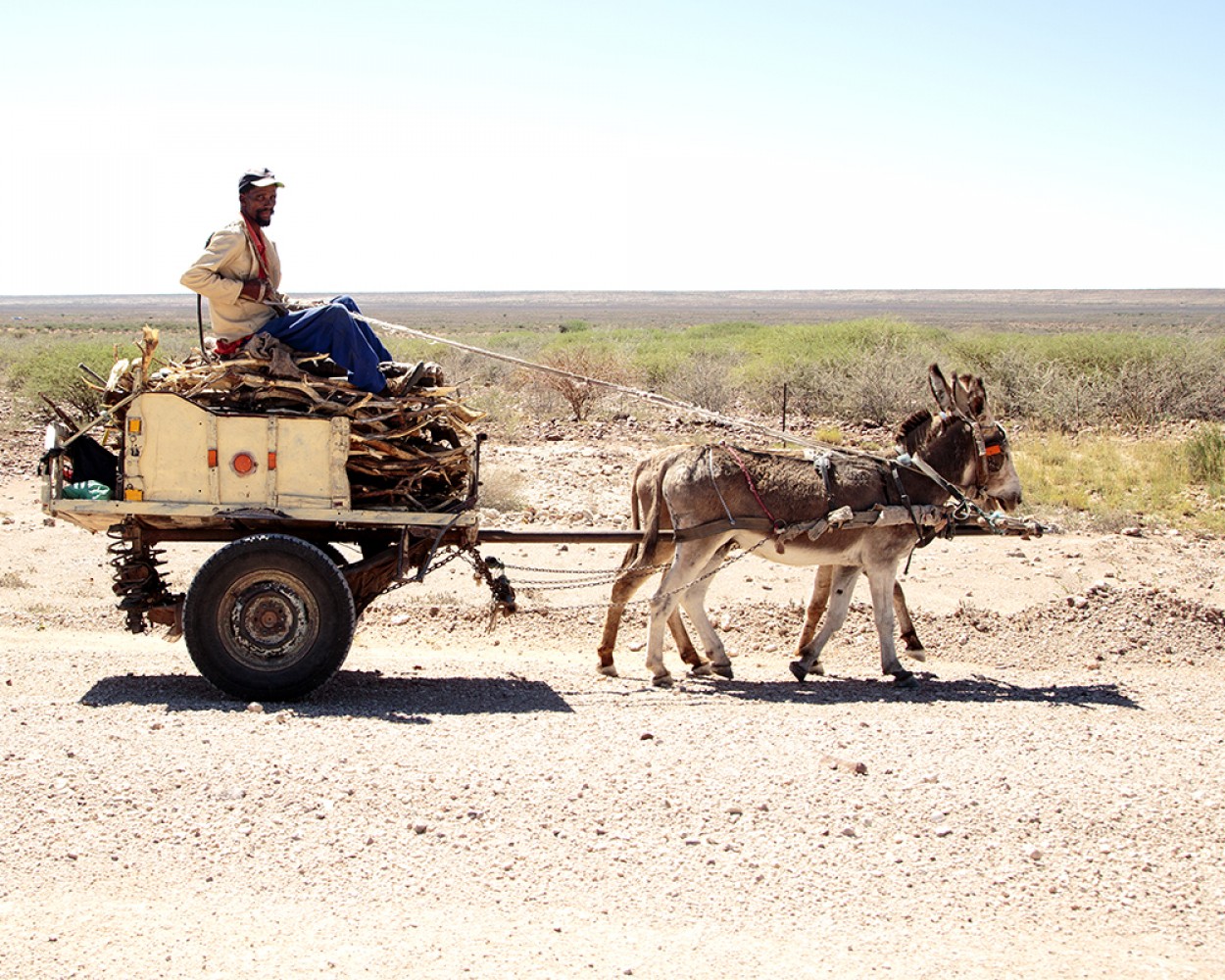
Twenty years ago, my life was a shambles. I was scared and insecure, and I cried every day for almost 2 and a half years. I do believe I could’ve filled buckets with tears. Friends can only take so much. My best friends decided that instead of writing me off, they’d take me to Namibia. We’d celebrate my 40th birthday there. They figured there’s no better place to find oneself than in the desert. They’re good people. They love me unconditionally and knew what would be good for me. Besides, I was exhausted.
So, the nine of us went on an epic three-week recuperative camping holiday to one of the most spectacular places on earth. After I managed to survive the worst bout of flu imaginable, I stopped crying and started laughing again; life slowly became good as the tensions and anxieties wound down. In that desolate place, I began to see the wood for the trees.

Since then, I’ve returned on numerous occasions and still find Namibia fascinating. As we drive along, I keep returning to thoughts of beauty, light, and nothingness, and it puzzles me that what should be very ugly and unattractive is, in fact, exceptional. The deafening silence of that vastness fills me as no symphony can. At night, when the stars come out, I can only shake my head in wonder as the silent noise overwhelms me time and again. Here, we could go back in time to see dinosaurs, or fast-forward to glimpse our destruction.
Summer was winding down, and we decided to pack a tent, two chairs, our vintage Engel, and our picnic baskets filled with delicious food. We’d zig-zag through the southern parts of Namibia, along the Orange River and through a section of the Richtersveld. On this stretch of road, I perfected my 'drive-by shooting' style, taking quick, spontaneous photos of the changing landscape from the moving vehicle. I couldn’t get enough of the scenery. Over every rise and around every bend, the rock and dune formations changed: what had once been round boulders became sharp triangular formations, while on the left bank of the river, grasses, reeds, and trees flourished; in stark contrast, the right side of the river could not produce or sustain a blade of grass. That life-giving river is so near yet too far out of reach. Brutal.

We spent two days at Felix Unite on the Orange River, near the Namibian border; it was the perfect place to relax. Our chalet was very comfortable; the restaurant was a treat when we didn’t picnic on our stoep, watching the river ebb and flow. The canoes laid out on the riverbank reminded me of my 5-day trip with Joe—an adventure I cherish. We were privileged to sleep on the lawns, stargazing and chatting until we drifted off, immersed in this memorable setting.

This landscape has endured every agonising labour pain inflicted on our planet; one can almost feel the visceral contractions as the universe laboured to give birth to our planet. Glaciers, earthquakes, lightning, thunder, and an unapologetic sun relentlessly burned and scarred, shaping, moulding, grinding, and turning the earth into a myriad of textures, shapes, and colours. The sun has yet to lose interest and continues to scorch, punishing every living creature that is trying so desperately to survive.

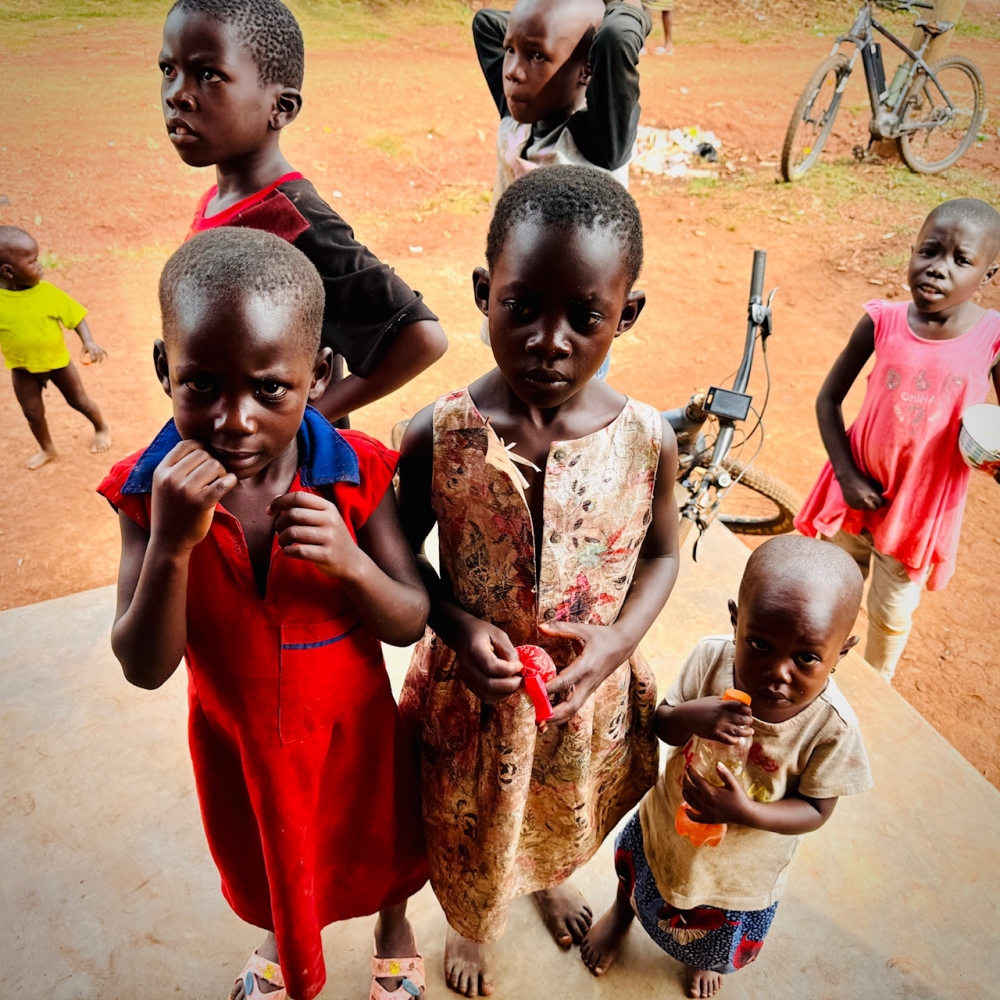
Eventually, we swung away from the river road and made a quick detour to Sendelingsdrift to see the Pont. How surprised we were to learn that the border post was closed; the Pont will no longer ferry people and cars across to South Africa! The only highlight as we passed through the grey, uninspiring mining town of Rosh Pinah, so bleak it’s covered in a perpetual layer of grey dust, was a gaggle of boys waving as they rode their bicycles out of town.
Aus was on our radar, and we were eager to set up camp, take a hike and settle in for the night. We spent 4 days at the Klein Aus Vista campsite. We found the campsites a little cramped, given the space available to the owners; nonetheless, they were beautiful, with rocky outcrops surrounding them.

We enjoyed numerous hikes, including one along the railway line into town for coffee and cake at the local hotel, and another along the railway line for an 18 km round trip. I must confess we were exhausted and dehydrated. At sunset, the wild horses came calling, coming down from the hills to find water and scavenge for scraps.

Sunsets in the desert are majestic, even more spectacular when there’s dust in the air; the rich, jewelled colours fire up the skies as the day winds down and the sand cools. This time, a constant wind blew, a reminder that the seasons were changing, whipping up the sand just enough to irritate but not enough to bring rain. It’s at night, while the canvas snaps, billows, and whiplashes, that camping loses its allure, as stakes and pegs are ripped from the earth and thoughts of packing up and moving into a chalet become attractive. Tempers flare as we walk on eggshells in our wind tunnel.

Not a drop of rain has fallen on this forsaken earth for two years, and the signs are plain. Emaciated, skeletal Oryx, those regal antelopes who so proudly represent Namibia, are dying, some suffering agonising deaths as they try to cross fences and roads in search of better grazing and water. Even the proud Namibian Wild Horses are thin, and on occasion we have spotted them at our campsite, where they scavenge at dusk. This is a hard, implacable desert, where survival isn’t taken for granted. All living things are pawns in nature’s scheme of things, and the effects of global warming become a reality when one witnesses total devastation, when the only respite is a smattering of dew on the few remaining leaves or twigs in the morning.

Our next destination was Namtib Biosphere. What should’ve been an easy drive turned into a mission. There, we were going at a good clip when, suddenly, things went awry. Not only did we have a puncture, but we also had a shredded back tyre and a punctured spare tyre. The well-maintained roads were in excellent condition, but on a hot day the razor-sharp stones cut through a hot tyre like a knife through butter. Fortunately, help was at hand. Our companions, the trusty Tozers, went off to our lodgings 70 km away and told the owner of our misfortune; he, without delay, organised for two new tyres to be ordered from Windhoek and delivered in Aus within a day or two. Although we were assured that our old Cruiser would be quite ok on the side of the road, I had my misgivings. I was wrong, of course.
While we waited for our help to return, we tried to get ourselves out of the midday sun and into some shade - difficult; the thermometer was hitting a high of 38°C. Time passed quickly as we had many visitors offering help, and one chap was willing to “lend” us a tyre until we got sorted out!

In the most unusual places, one often meets the most interesting people, and so we met an amazing couple on their bicycles. They’d left their home in Belgium 14 months ago, saying goodbye to their children and 6 grandchildren, to cycle all the way down to Cape Town. What an inspiring couple; fit, healthy and enthusiastically tackling this mammoth adventure like pioneers of old. They were willing to help us, too! Unfortunately, we’ve not been able to keep up with their progress because their Blog is in French and Gigi didn’t share their details with us. If you should come across them, do give our regards; they must be well on their way to Madagascar by now.
Only in hindsight did we realise how devastating the drought would be, so our stay at Namtib Biosphere was a little disappointing, as we had imagined herds of antelope roaming the plains in front of our campsite. Sadly, much of the herd had been sold, and the few that remained were scarce; those we did see were thin and struggling to survive.

We thoroughly enjoyed our hikes in the kopjes, learning a great deal about the flora and fauna from the well-documented guide our hosts provided. The paths are clearly marked, and hikers have a few options with varying distances to choose from.
The next stop was Sesriem for 2 nights. Sharing a campsite with acquaintances was probably more fun for us than for them, but they were gracious and hospitable. We enjoyed getting to know their very well-behaved toddler, who took all the discomforts of bush life in his wobbly stride, putting to rest old wives’ tales about children needing their routines, beds, bottles and blankies.

At first light, we made our way to the dunes, watched the sun rise over the tops, and walked up the Grande Dame of dunes, relatively unhindered by the masses of tourists who, like pilgrims, flock there daily. Once again, we met the nicest group of people on the summit. While we caught our breath and enjoyed the awesome views across the desert landscape, they somersaulted and took selfies. Those were the days, my friends, when one could pick a crowd in a bar, hop into a hire car, and, without missing a beat, head off to see some Gorillas in Rwanda, taking in the dunes en route.


The rest of our road trip took us to Weltevrede for a night; we stayed at the Solitaire guest farm and enjoyed the Roadhouse, with its eclectic collection of cars and memorabilia, the flotsam and jetsam of a bygone age.
Another puncture was on the cards; fortunately, this time a kindly lodge manager stopped to help. I was dying for a slice of German Apple tart, which I enjoyed while Butch bought our third new tyre in Helmeringhausen.
We made it to our guesthouse in time to watch the sunset and enjoy a delicious Spaghetti Bolognaise for supper at the very quaint, off-the-radar Seeheim Hotel.
Our noses had turned, and we were ready to head home. Our last night was spent relaxing in the hot springs at Ais-Ais.
Once again, Namibia didn’t disappoint. The weather was perfect, the road trip a huge success, and our last-minute bookings were all good. But the highlight for me, besides the magnificent landscapes, was the people we met in the most unusual places. The Westfalens immediately come to mind. A young couple with four children who left home in Germany a year ago to drive their monstrous green truck from Cairo to Cape Town. Their website, http://www.6westfalen.de/, tells of their adventures.
For us, it was time to head home, to get ready for our next adventure, and for our beloved friends to return to their home in the UK. Autumn was in the air, the seasons about to change; we couldn’t have asked for more.


Comments


Topics
Latest Photos