SMS –Sand, Mist, Swakopmund
Thirty years ago, before SMS, my telegram to family, anxiously awaiting my safe arrival in Swakopmund, would’ve read something like this. “Safe arrival. Sand, mist, Swakopmund.” The charge was twenty cents; the message would be relayed by telex or Morse code to the Stellenbosch post office. Within minutes, a postman would hop on his black, thick-wheeled bike and cycle like crazy up the hill to my parents’ house, where he’d knock on the front door and hand-deliver the brown window envelope with the red line indicating its importance.
Fast-forward to 2022. You’d think things would be more accessible and easier for the postal service’s delivery guy, but they're far more frustrating. “Free Wi-Fi” is just a ruse to make the accommodation option seem more attractive. Once you’ve been hooked and booked, the Guest Wi-Fi signal dribbles into non-existence, much like rain evaporating in the Kalahari.
The simple part of the exercise is the long queue to buy a SIM card, followed by the accreditation and data purchase. After following all the long-winded instructions, getting hooked up and online makes one wonder whether life’s worth living, given how quickly awful news travels.

---oOo---
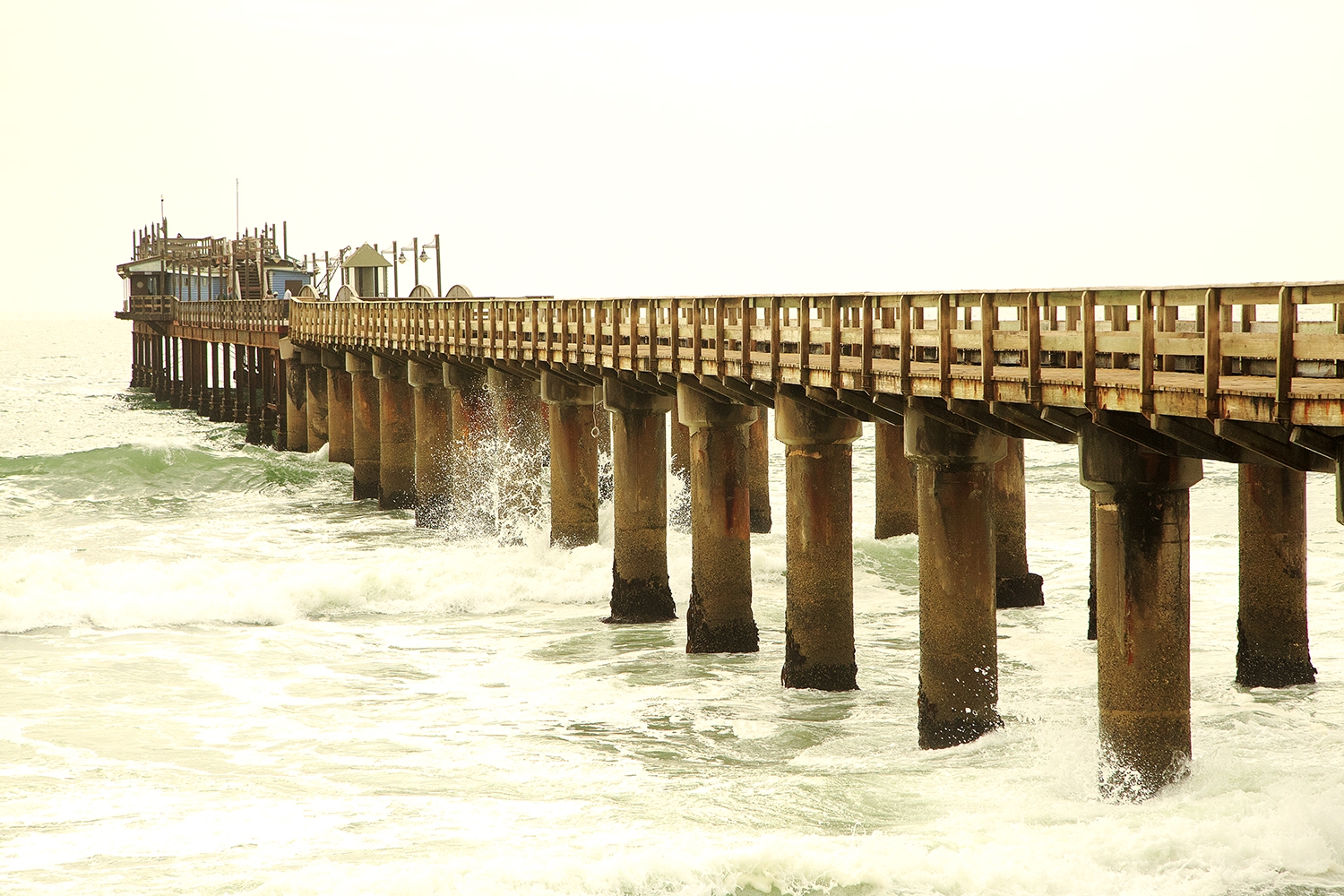
Swakopmund still boasts its iconic structures; the lighthouse still lights the way, and the pier, museum, and Crystal Gallery remain popular attractions.
Once settled in Swakopmund, we agreed that Butch would get on with his to-do list, which included new tyres for the Honey Badger, a bull-bar, an electrical adjustment to our battery system, the installation of the new Thule steps, and a Thule “box” on the roof. I would catch up on my writing and explore Swakopmund. (The receptionist kindly let me use the better Wi-Fi at the conference centre from time to time. The struggle was real.)
We’ve been mispronouncing Thule, the Frenchman from Toulouse told us, and it’s “tool”, said in that sexy, throaty way only the French can. Now, no one knows what I’m up to when I ask, “Do you have a Thule (tool) too?” with pouty lips, fluttering doe eyes, and a coy demeanour.
---oOo---
The Alte Brücke campsite, at the end of the promenade, a few hundred metres from the beach, the CBD and the scenic part of town, was our favourite option and the central hub for Overlanders from all over the world exploring Africa. The spacious campsites were ideal for tall vehicles. Private ablutions and a scullery with a protected sitting/dining area are convenient. Misty mornings in Swakopmund are unexpectedly chilly. Electricity is available, and guest Wi-Fi is free.
To give the tech guys easy access to the Honey Badger, we packed our new storage box and stowed our winter clobber. For security, we moved cameras and electronic gadgets to our private ablutions. Each morning, we added anything we might need for the day. We set up a coffee and beverage station and filled a small cool box with perishables. At six-thirty, Butch would set off for the workshop.


Until the shop closed and Butch could fetch the Badger, I had to rely on my feet or my bike to get around. On a few occasions, Butch hailed a taxi to and from the workshop. Knowing there was reliable, cheap public transport was heartening.
---oOo---
One morning, we set off on our bikes to explore the seafront, heading north into Swakopmund's residential neighbourhoods. The first surprise was the well-maintained, spacious cycle lane for much of our trip.


Along the way, walkers were walking their pooches. Friends strolled and caught up, while young mums pushed prams and kept up with toddlers. Ladies in lycra ran and speed-walked, swinging their arms and hips, with earplugs firmly in place.


Swakopmund’s architecture shows strong German influence, with bell towers, cylindrical towers, and steep roofs tiled in traditional red tile; these early 20th-century designs reflect the town's proud German heritage.


The suburbs had an eclectic mix of old and new architecture, much like our cities. Modern flat-roofed homes of glass and chrome are especially evident. I assume they’re the signature style of an illustrious local architect—reminders of the Fox Boxes, so prevalent in Worcester in the seventies.


Public spaces are well maintained. Lawns are manicured, and flower beds and borders display a colourful variety of perennial shrubs and annual plants. The walk through the iconic avenue of palms is a reminder of days long past. Only a handful of homes line the CBD beachfront, flanked by the aquarium on one side and the famous jetty on the other. Modernity has crept in, too, as people tear down the old cottages to make way for modern, multi-storey mansions.


The use of colour in the architecture is refreshing and unique to Swakopmund, inviting tourists and street photographers to walk, explore and photograph. I loved the buildings' two-tone palettes.


Like many roads we’d traverse in Namibia, streets were exceptionally well maintained, broad, tarred or gravelled. Butch would mention “German engineering” as we navigated Swakopmund's streets.
Malls, strip malls and shopping centres have sprung up all over the city. Still, in the old town, you'll find exciting bookstores, antique stores, jewellers, art galleries, gemstone galleries, souvenir shops, bakeries, restaurants, delicious delis, and Woolies with a food section!

Cape Town once boasted several department stores, e.g. Spracklens, Garlicks and Stuttafords, where, in their heyday, shoppers of all kinds could find everything their hearts desired. Today, none remain. In Swakopmund and many Namibian towns, the chain store Woermann Haus still meets customers’ needs. The German name conjures visions of German imports and local delicacies, such as apple strudel and Belgian chocolates! The CBD, reminiscent of another century, invites tourists and shoppers to browse, shop, and enjoy a cool or hot drink. Of course, umpteen brew houses, pubs, and bars are ready for a siesta or a sunset drink.


While Butch oversaw the maintenance work on the Honey Badger, I took my camera to the streets to explore every nook and cranny. Being a tourist among many has its advantages. While we were there, the beaches weren't crowded; the holiday season was around the corner and maintenance crews were busy getting the promenade and beaches shipshape.


With my backpack on, my camera flung around my neck, my small handbag securely snuggled under my armpit and sunhat firmly planted on my noggin’, I was permitted to browse, stroll, pick up, smell and admire to my heart’s content. Because of my current abode and travel situation, I sometimes had to admire and shop with my eyes only. My greatest treat is always buying small mementos while we travel, which is now impossible.


My vintage, White Horse Whiskey, wooden book crate is still crammed with books. I hardly read on this trip. Yesterday I managed four pages of The Power of One, which I'd started six weeks ago. “No!” I slapped my wrist and returned the paperback I'd been clutching, reminding myself of the ‘read one, donate, restock’ policy I’d made while packing.


---oOo---
Fabulous food trucks line Swakopmund. Brightly painted and quirky-named, they are parked strategically along the beachfront. Happy Den Varta, Forking Nice and Streak Out are some I remember. With colourful umbrellas and wooden seating, we couldn’t resist the Fish and Chips advertised on a chalkboard in the parking area next to the aquarium.


I can say that was our favourite fish-and-chips meal. The batter was crispy and wafer-thin, and the Hake was fresh and piping hot. The chips were divine salty morsels and, once dipped in All Gold Tomato sauce, heaven on the tongue. The two ladies operating the truck were delightful. Friendly, chatty and excellent cooks, they ran a well-managed, spotless food truck. We recommend a quick meal in the parking lot or a takeaway boxed meal.

---oOo---
The best recommendations come from locals. One day I spotted a trendy lady in the bookshop with a messy bun and gold hooped earrings. I sidled up to her while browsing and asked her to recommend a lunch spot. She had just had coffee with a girlfriend at their favourite meeting place; she was sure we’d enjoy lunch there. This quirky, brightly painted old house, with a lovely umbrella-tree-enclosed patio, was perfect. With lunch guests buzzing around, we took the last open table. Butch had regular Hake and chips. We were at the seaside after all. I had a traditional German sausage and kartoffellen. Butch had the plate of the day. All right. My German sausage might’ve been a dressed-up Russian. The dessert was good. Pancakes.


A day later, we stopped at a trestle table on the pavement. A German lady sold fresh vegetables she'd harvested from her garden the evening before. We left with two bunches of the freshest, sweetest, most delectable asparagus ever. Her cocktail tomatoes were plump red balls oozing deliciousness, and the green beans snapped, spraying a mist onto my face. How I later regretted not buying her entire stock of vegetables. In the days that followed, we savoured every scrumptious morsel and sang her praises.


Her recommendation for lunch was another winner—a bistro a-buzz with local ladies enjoying a luncheon with pals. Wine flowed, conversations grew more animated, and a bustling kitchen served lovely plates of nosh.


Of course, we had dinner at the iconic Jetty 1905 restaurant on the pier. Who can resist a fiery red ball setting beyond the horizon while a school of bottlenose dolphins dipped and dived in the waves? No one. There, one of the most beautiful women I've ever seen served us. Before I could stop myself, I told her so. She was very coy and, I think, appreciative. At my age, I can say anything. At her age, most people wouldn’t have the chutzpah to compliment a young, eye-catching stranger.

Our table for two at the large window, with a spectacular view, offered us a mango-orange sunset as it dipped into the sea; a pod of dolphins crested a rolling wave, slicing through the breakers; and a roost of gannets settled on the pier for the night.


Afterwards, we wandered down the jetty as the night lit up the stars and the cityscape twinkled with lights on land. A dazzling night to remember. Mists, cold currents, desert dust, smoke, and warm air all create spectacular sunsets, and we were never disappointed.


A surfer and her friend recommended the ice cream parlour near the beach for the perfect ice cream cone. The long queue was well worth it, and the ice cream was silky smooth, luscious soft-serve. I wandered home down the avenue of tall palm trees, admiring the original cottages and relishing each scoop. That was a treat.


TripAdvisor and a quick Google had us hitch our bikes to a light pole after our ride to enjoy coffee and a light breakfast. Mine was seasonal fruit and yoghurt at the popular deli adjacent to the hotel. From our vantage point, we sat with our feet up and watched fishermen come in with their catch, chicks flick their towels onto the white sand, and small children dig with their spades and fill buckets as the water curled and plopped rhythmically onto the beach.


Three young photographers started trolling the promenade, cameras ready to oblige the selfie crowd with a “professional” photo. On one of our walks, I was asked to do a portrait, and once I’d taken the picture, the two guys thought I would download it onto a memory stick. That’s how it’s done, I realised. Sadly, I had to disappoint them, and I had no memory cards to transfer their photographs. I hope someone might recognise the two handsome fellas below and tell them their photos are on the blog. They can contact me, and I’ll forward them pronto.

Swakopmund is worth visiting. Its European flair and old-world charm make it trendy amongst South Africans, Europeans, and Germans.


Every evening we’d be surprised by the many Overlanding trucks pulling in for the night. Colossal Man trucks, some impressive six-wheelers, and the ever-popular, romantic ex-military vehicles like the Mercedes-Benz Unimog, smaller Land Cruisers, and Isuzus like our Honey Badger, the runt of the litter!


Most days, the drivers could be seen tinkering, doing repairs, changing tyres, or hammering pipes. Every campsite had, at some stage of the stay, a heap of tools of every description scattered about. The ladies did the laundry, did some dusting and sweeping, and freshened the beds with clean linens.


We chatted a lot and swapped stories. The condition of the roads and officialdom at various border posts were two hot topics. South Africans whined about load shedding, the crooks in power, and the SA Rand devaluing, not to mention the Ramaphosa debacle and the De Ruyter fiasco.


The 4x4 vehicle hire industry is booming, with dozens of fully loaded, kitted-out vehicles arriving with excited foreign tourists. Most were German, French, Dutch, Belgian, Swiss, Spanish, and Italian, with a sprinkling of Norwegian and North American visitors.

---oOo---
We still haven't figured out what modern Germans visiting Namibia miss. Could it be the climate, the wildlife, the barren landscape? Here, history is measured in billion-year cycles, not cathedrals, architecture, or opera. Must it be the quiet desolation, the natural beauty, and the kindness of strangers, particularly Namibians? Affordability too. I wonder.

That said, I must concur that Swakopmund remains one of my favourite destinations. There's something for every enthusiast, whether you're into fishing, hiking, biking, sand surfing, duning, exploring, 4x4'ing, hang gliding, diving, or even camel driving. This is one destination photographers, adventurers, roadies or overlanders must visit. Take the bus, go in groups, or visit solo; it's Afro-cosmopolitan with a liberal dash of Germany.


Once again, we met lovely like-minded travellers who enthusiastically shared their experiences, tips and tricks. We caught up with a friend now living in Swakopmund—a wonderful surprise. Namibia suits him, and he wears Swakopmund well. Thank you, Gielie, for making time and taking a few hours off your day to visit and catch up with us. We were delighted to see you. (Gielie Lambrecht's is an old friend, ex-Worcester.)
---oOo---
The height of cool is, of course, to photograph a dune at sunrise and sunset. We took a day trip to Walvis Bay to see the dunes, photograph the flamingoes and have lunch at the ever-popular boat club. The lively vibe and crowds were impressive. Walvis Bay isn't the sleepy hollow I thought it to be. I'll post a few of my favourite highlights below. You'll get the picture.


---oOo---
After five days of maintenance work and dusting, with our fridge and ammo boxes filled, we were ready to set off again. We were prepared and excited to head north to the rivers.


I apologise for the photo dump. I must do Swakopmund and our visit to Walvis Bay, and the only way to do that is to show you around, almost like a mini guided tour.


P.S. Manfred, a blog reader, explained why so many Germans feel such an emotional attachment to Namibia. "Take me to Namibia; my soul needs to breathe!" That explains everything. Thank you, Manfred!

Comments


Topics
Latest Photos