Time Travels Through Zimbabwe
The clock struck one, and time stood still in Zimbabwe. It’s here that one fully appreciates that man’s influence on the Earth is small and insignificant. Still, the conundrum is that technology also has the upper hand, for a while anyway.


Plumtree border post marked our entry into Zimbabwe, and the long queue signalled the start of our adventure. Here you queue whether you like it or not, and time seems to stand still—officialdom rules, setting the tone for the journey ahead.


Files of documents are tightly squeezed against hot, nervous bodies as we finger our passports, looking at past visas and stamps from previous trips. I recall having to unpack my suitcase once again in Cancun; what on earth were they looking for? It’s abundantly clear too that I don’t look anything like my passport photo either. Oh dear.


That smile, it’s all white teeth, like a row of perfectly spaced corn on the cob. “Hello Madam! Welcome!’ There is laughter and chatter, and I’m overwhelmed by the general bonhomie amongst the officials. In the little space, asking what my “profession” was, I’d written “retired housewife”; that was funny, and Precious at the next counter had to explain who does the work at home now. For it, he was not in the mood and glared at me! Everyone else thought that hilarious. We got the stamp, but that wasn’t the end of it.
Our sojourn in Customs and Vehicle registration took 2½ hours. Painless but pointless. No amount of paperwork, official or otherwise, will ever convince an agent bent on selling you “road and travel insurance” that you’ve got things covered. You will pay, while they whistle “this is my party, and you’ll pay if I want you to”. Although the taxes (road and carbon) are a rip-off, forgiveness comes easy when you’re bid a safe and pleasant journey; it works every time!


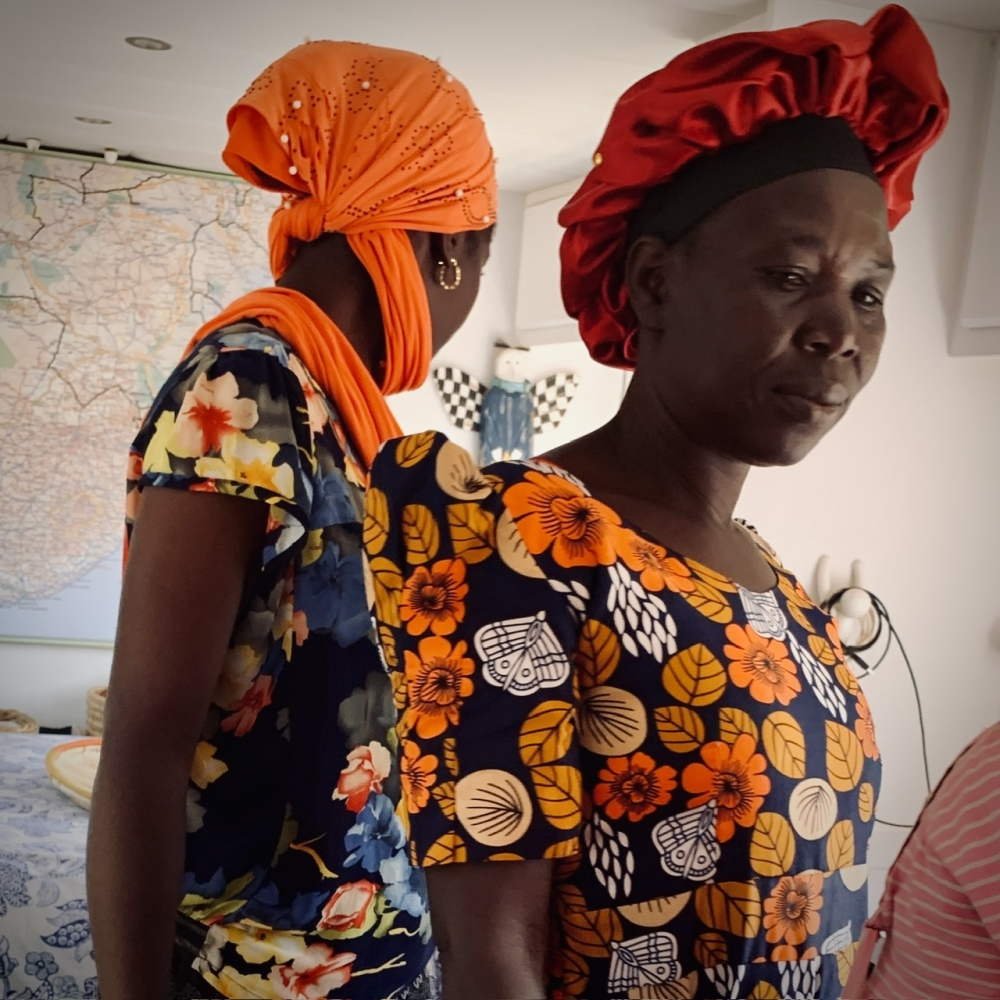
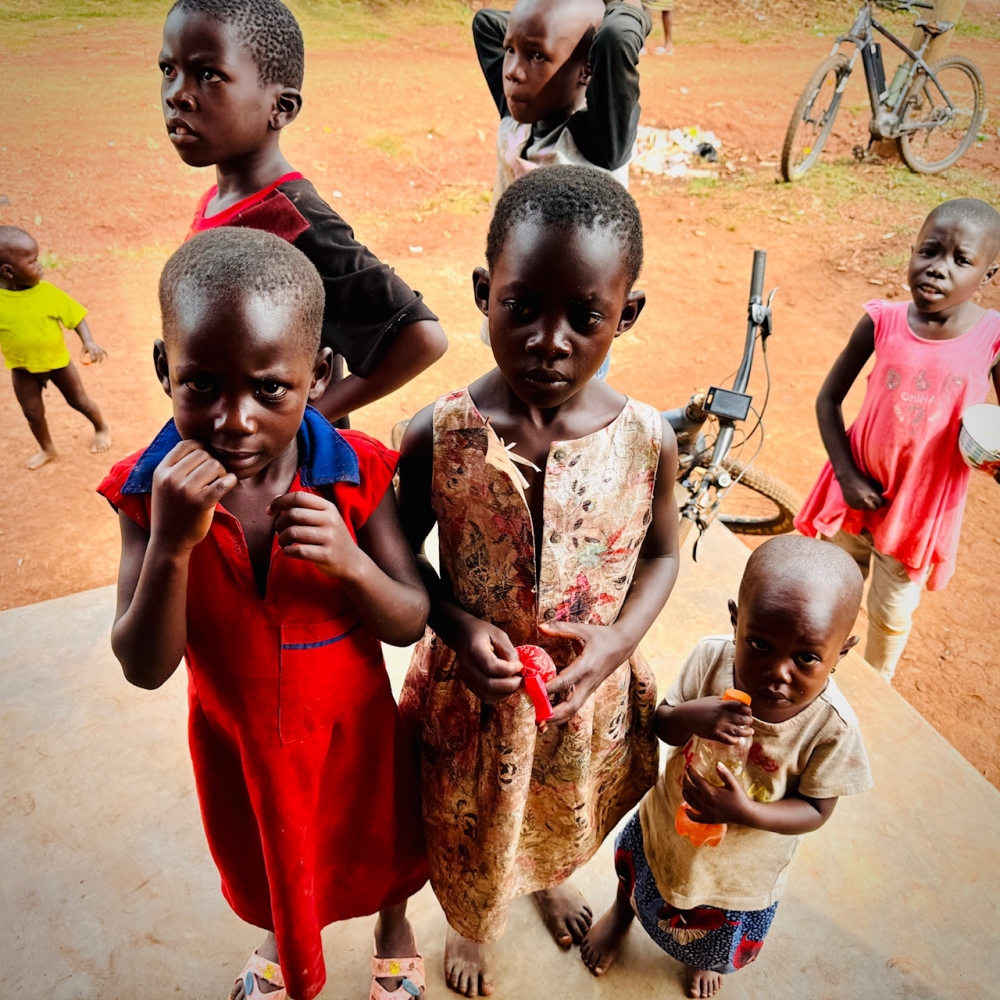
In Zimbabwe, her people speak their own language, and their inherent goodness and good cheer make visitors feel truly welcome and appreciated. Their resilience and hardworking nature inspire admiration, fostering a sense of connection and respect.


We’d been warned: roadblocks are the order of the day, and so it was. The boom had hardly settled on the gatepost when a very stern-looking police officer raised his arm. No problem. Before we left South Africa, we made sure we complied with every vehicle law and by-law; we’d checked and double-checked. Precious had a printed copy of the Government Gazette, with all rules and regulations brightly highlighted in neon green; it was wedged between my seat and the console between us. Our trailer and vehicle looked like a decorated Christmas tree with all the different chevrons and reflective strips in white, yellow and red. We glowed in the dark. Forewarned and forearmed. We were prepared.


Our journey took us on main roads, big roads, minor roads, tar roads, strip roads and dust roads; we were flagged down dozens of times before towns, big or small, and on leaving towns once again. In every instance, we were greeted with a friendly smile; well-rehearsed cordial greetings were made; we were asked where we came from and what our destination was. Our vehicle was checked and re-checked, and I must honestly say it was a pleasure. On two or three occasions, I confess, we paid fines (one for a traffic light violation and once for driving with our “spotlights on”); we never felt threatened or uncomfortable, nor did we consider ourselves bribed—each time we paid, we received a fully completed receipt. Fines are paid in US$. Main roads are well-maintained and surprisingly good; we’re confident that the many tolls we paid did their job of keeping them in good condition. Tolls were. US$2 or ZAR30. Either currency was accepted. We appreciated the "Enjoy your day, drive carefully and goodbye" after each stop. We paid heed whenever we saw a speed reduction and slacked down immediately; it was worth it.


Villages en route are a reminder of my childhood. Mud rondavels with conical thatch roofs, small subsistence farms, goats and cattle in the road. We stopped for an enormous bunch of orange carrots. Fresh, crunchy and packed with vitamins! We chomped away on our delicious snack. Ox- or mule-drawn carts are common modes of transport; ironically, passengers often have a cell phone clutched in their hands too. Marie and Sister Agatha hit it off immediately and are now "WhatsApp" friends!


After a long, gruelling day, we stopped at the Cresta Churchill Hotel in Bulawayo. We were exhausted. I had to smile at this Tudor-style Hotel, ever so colonial, too. It survived. The staff are extremely friendly and helpful, and their recommendation to have drinks in the pub and supper in the restaurant was spot on. After a call to reception and a hot tap running for exactly 5 minutes, I was rewarded with a tub of hot water in which to soak and refresh. At last, we could switch on our phones (free Wi-Fi) to catch up with the rest of the world, but no South African political news (I’d left that all far behind), and to learn that my beloved Joe had got down on bended knee to propose to his Emily. We were delighted and had to celebrate!


We slept like logs. Probably not the most upmarket Hotel in Bulawayo, but we were comfortable. Linens and towels are a tad worn and could do with replacing, but they were freshly laundered and reminded me of visiting an old spinster aunt who did not need upgrading her linen cupboard.


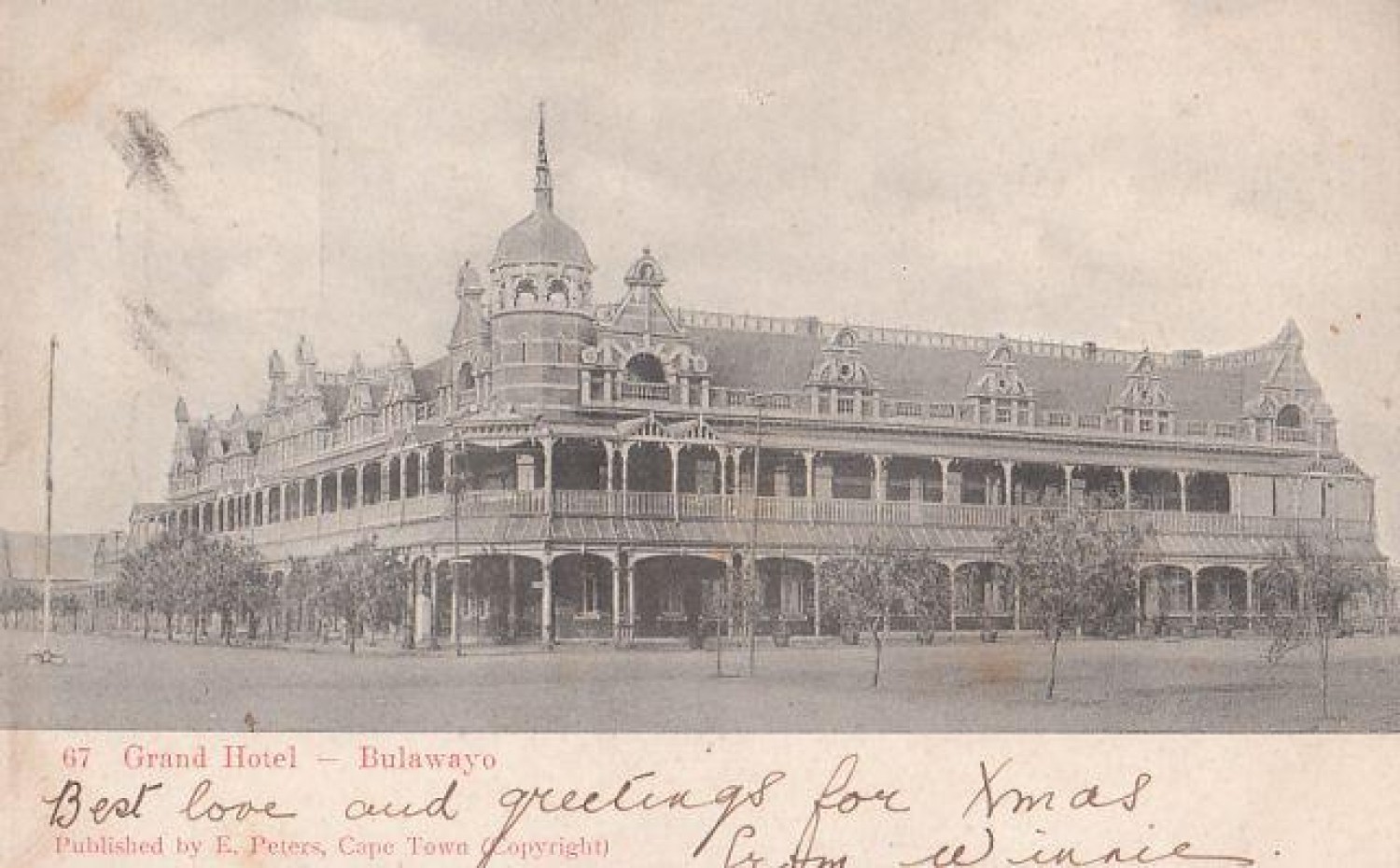
Time stood still in Bulawayo. In its heyday, it must’ve been beautiful, with avenues of flame, jacaranda, and fig trees. There is evidence of extensive properties and ranch-style colonial homes. Things have changed irrevocably. Most buildings are unkempt, tired and worn. Like our towns, most properties have high walls and security gates (although not as pretentious as Johannesburg). Streets are wide, clean, and well-maintained, but the infrastructure is antiquated yet functional. Surprisingly, suburbs and street names haven’t changed much. I suppose that when you’re trying to feed a family, spending millions to change street names would be ludicrous.


Fresh fruit, vegetables and breakfast were on my to-do list. Garmin, being the wondrous instrument that it is, pointed us in the right direction, and we could fill our baskets to the brim with scrumptious goodies at the Food Lovers’ Market and the well-stocked, modern Pick ‘n Pay. Stock is mostly imported from South Africa, but I’m happy to say that where possible, local produce like potatoes, sweet potatoes, carrots and corn is stocked. Goods are expensive, but it’s understandable. What a treat to have the “best omelettes” in town at the coffee shop at FLM.


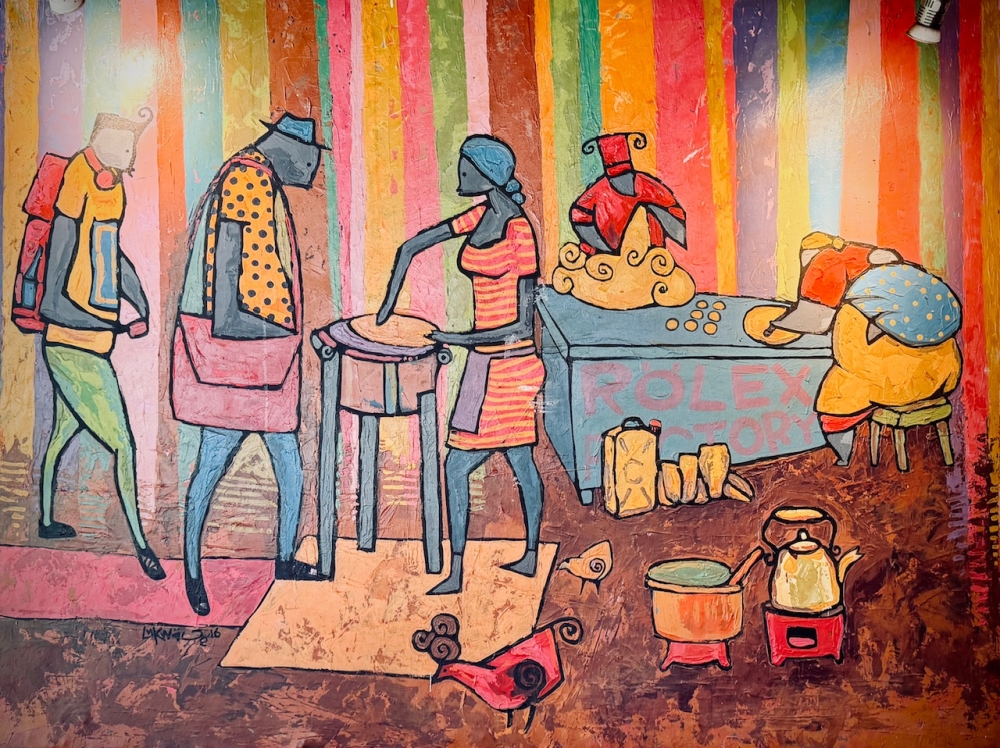
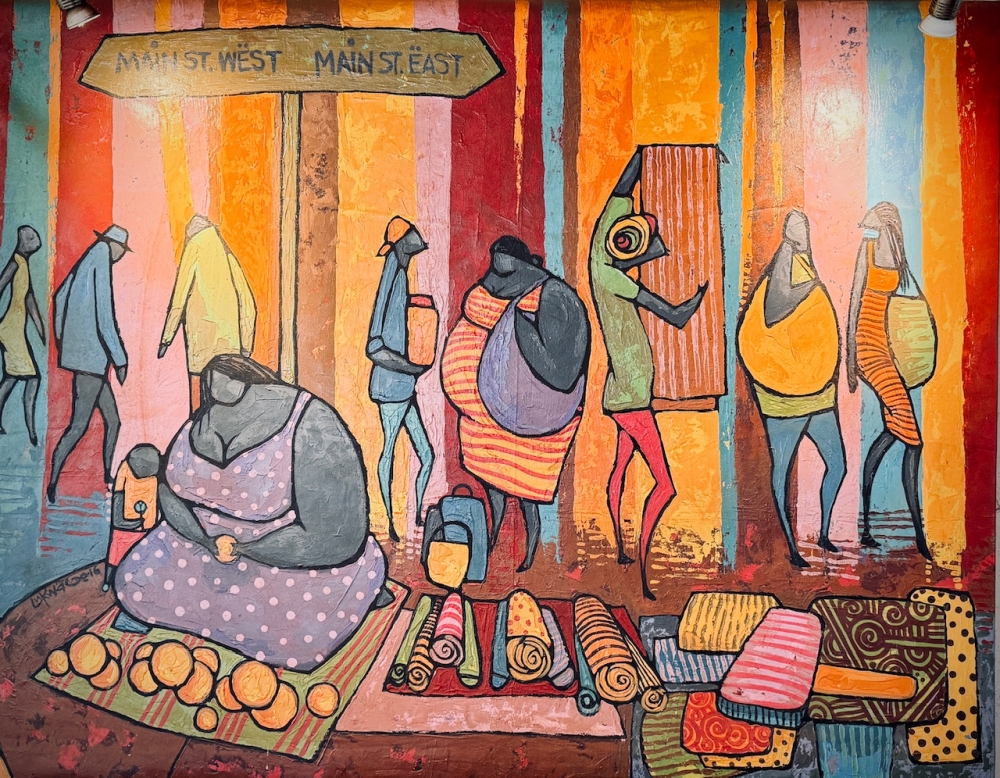
We ventured downtown to see what the CBD looked like, and, like most towns, it was busy, vibrant, and energetic. Most banks are represented. The bustling village market looked exciting, and I would’ve loved to stop and browse; we could’ve done all our shopping for fresh produce there, but I was too late!
New construction was evident; unlike most reports, there is growth and an air of prosperity—African style. Zimbabweans are positive and live a life despite their dire conditions. I’m so happy the old town remains with its picturesque period architecture. In the Commercial district, pedestrians are plentiful, fashionable, suave, and confident as they hurry to work, their laptops swinging and Smartphones buzzing. Long queues lined the streets as clients wait to draw their $US before the "new" Zimbabwe Bond is official in June. Although we had no problems at the ATMs, we were told that banks had run out of cash to pay clients during this cash-withdrawal frenzy. Informal street vendors and money changers do a brisk trade, and the exchange rate is a sweet deal.


I wish I could capture the friendliness, helpfulness and positive attitude Zimbabweans have. If I could bottle and sell people’s smiles, I’d be a millionaire. We passed through Bulawayo occasionally, and each time I was suitably impressed.
I know now why my father called it “God’s own country”.
Cresta Churchill Hotel
Corner Matopos Rd & Moffat Avenue,
Bulawayo 9140,
Zimbabwe
Pick ‘n Pay and Food Lovers’ Market
Zizwezonke Shopping Centre
Bradfield,
Bulawayo,
Zimbabwe

Comments


Topics
Latest Photos