Churning A-Whey Homemade Butter
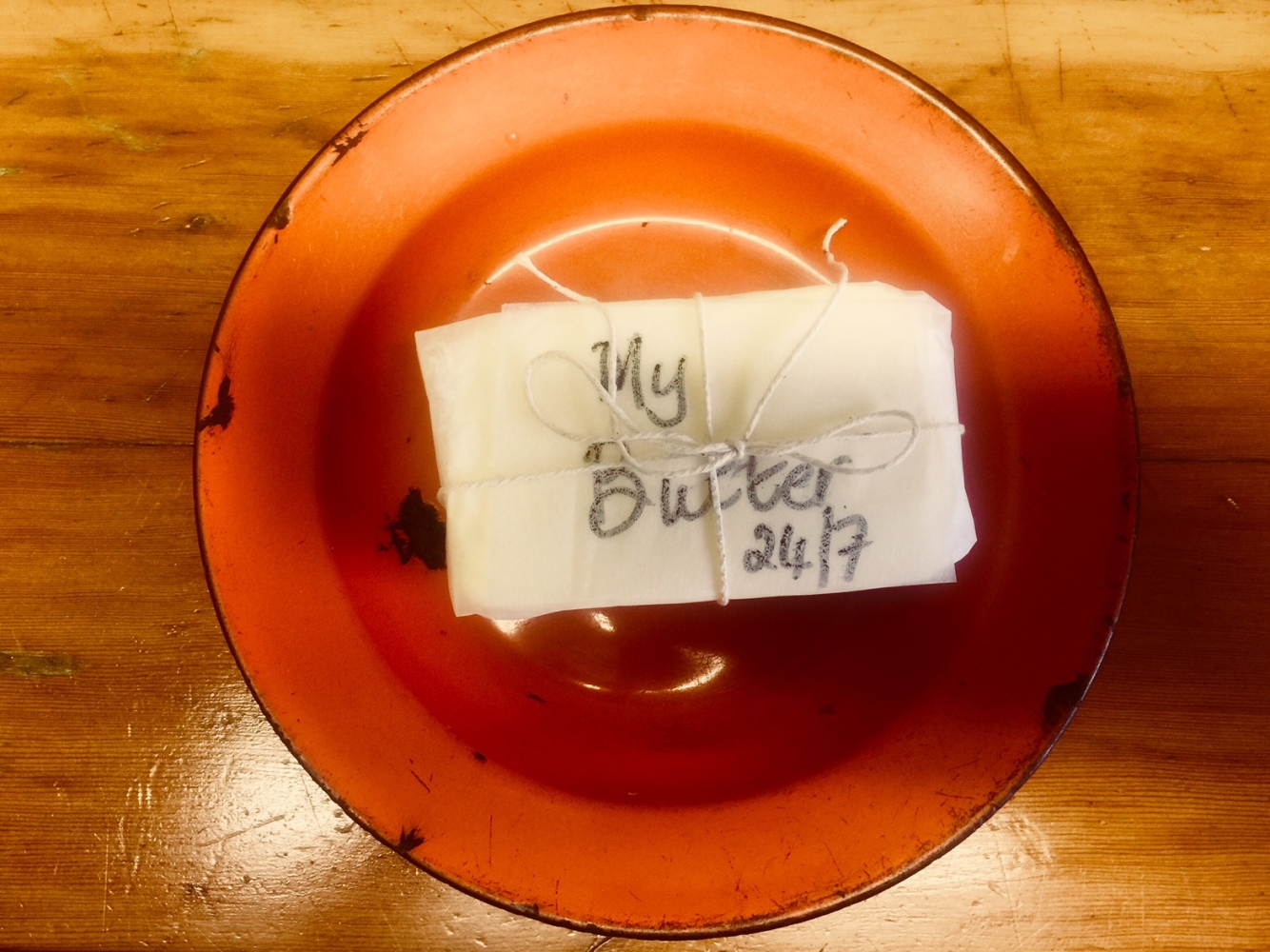
I am so excited. I made my butter! It was simple to make, and I can’t imagine why everyone doesn’t do it too. Since most people are Banting or following Tim Noakes's full dairy revolution, cream and butter have become quite expensive. A liter of cream still costs much less than 500g of butter. On a long road trip into the bush, like we’re planning on doing, food supplies will be limited, and we thought we’d probably find plenty of rich, creamy milk in most villages in Africa, but selecting butters, cheeses and yoghurts will be another story. With that in mind, we started investigating butter-making, yoghurt-making, and who knows, even feta cheese making. It's a challenge we're excited about.


Here is my very simple butter recipe. Do take note, though, if you opt for an old-fashioned method of whipping or churning your cream, you might find it tiresome, as the beating takes at least 15 minutes of vigorous shaking without stopping. Using an electric beater is much easier and less time-consuming. I took my Kenwood out of storage, dusted her off, gave her a good wipe down and off she went. Once we're on the road, we'll probably be shaking the old, canned fruit bottle, good for the arms and those wobbly bits.

---oOo---
HOMEMADE BUTTER
Pour the cream into a large bowl and beat vigorously.
The following methods can be used
- A large glass jar with a lid
- Tupperware cream shaker
- Old-fashioned butter churn
- Electric hand beater
- whisk
- free-standing electric beater (Kenwood Chef or similar) with a ball whisk

Sprinkle the salt over the butter and knead until the salt has been incorporated. For a flavor twist, consider adding herbs, garlic, or spices at this stage. Keep the butter cold, as it melts at a very low heat, helping preserve its texture and flavor.
If you use a lot of butter and enjoy the taste of “old-fashioned” butter the way your Grandmama made it, leave it unsalted; it’s delicious.


Once the salt is evenly spread and the butter becomes firm, press into a butter mould. Remove from the mould, wrap in baking or greaseproof parchment, and store in the refrigerator. Homemade butter is best enjoyed within a week or two, so plan accordingly to keep it fresh and safe to eat.
I made a short, one-minute movie showing how I did it; hopefully it’ll give you an idea.
We spread copious lashings of butter onto our crackers last night. It tasted just like the way my Ouma made hers. Not only did it taste good, but the salt was also the only additive, and it spread like velvet, smooth and rich in colour too. There's a great feeling of achievement when you open the fridge and see something you made yourself. A pound of butter makes a wonderful gift, too.

Bon Appétit, amigo!


Comments


Topics
Latest Photos