Going To The Dogs - Nyamepi Campsite Review
Close your eyes. In the distance, hear the cry of the African Fish Eagle calling its mate. The soft rustle you hear could be a Vervet monkey suckling her young; the soft blow is an Impala warning the herd of danger; and the loud swishing and snorting in the water is a hippopotamus abluting comfortably. Occasionally, you’ll also hear the plop of a fish jumping and the loud crunch of grass being pulled and pummeled by an elephant.


This is what you can expect when you book a year in advance at Nyamepi campsite and Mana Pools—one imagines evenings around the campfire, sipping drinks, relaxing with friends and enjoying conversations into the night, while hyenas prowl, scrounging for scraps or even easy meals.
What one does not expect is poor campsite management. In a country where jobs are hard to find, visitors may feel undervalued and disappointed when staff fail to provide quality service, which is essential for repeat visits.

Unfortunately, this was not our experience. Since our last trip, management has changed, sadly for the worse. I do understand the circumstances. I do “get it” that employees will, under no circumstances, rat on colleagues because the worm turns quickly and you never know when you’re in the firing line. We understand that maladministration and corruption further up the chain of command are rife. I empathise with a lowly clerk whose job is on the line and who risks losing it if they complain or make waves. I know that family and friends fill many positions, and loyalties are bought. I live in Africa. It is not prudent to bite the hand that feeds you, especially if it’s a bureaucrat. Departures are swift.
Complaints went largely unattended. Our friends’ almost daily request to have the fires stoked for hot water was brushed aside. Hot water appeared on three occasions within a MONTH. Wood, not in short supply, was seldom delivered for the donkey's fires. One day, a scrap of a girl, unaided, had to pull heavy logs into the fire, haul the heavy bags of ash she’d cleaned from the fireplace, and lug them off somewhere. I can’t blame her for not turning up again.

The ablutions, upgraded a few years ago by Friends of Mana Pools, are in a deplorable state, raising concerns about hygiene and safety. The small ablution on the eastern side of the campsite had a broken toilet bowl, likely for days before our arrival, and was repaired only two days before the official game count, following numerous guest requests. Management probably knew they’d have to account for these conditions if repairs hadn't been carried out, which calls into question the site's overall safety and hygiene standards.
Our friends, with a bucket and a threadbare mop, cleaned the showers in the main ablution block for their own use, highlighting the neglect. None of the three lavatories were in working order, with rusty bits of wire used to operate the flush mechanisms, blocked drains, dripping taps, and showerheads spraying in every direction except south. Such neglect not only affects comfort but could also pose health risks and safety concerns for visitors and wildlife alike, especially with snakes and spiders lurking in dark corners.
A question I’d like answered is this: It is accepted that visitors to Mana Pools are of similar persuasions; we are like-minded in that we love nature, wildlife and the outdoors. What really baffles me is that the state of the ablutions is due to visitors, in this case ladies, who frequent them; how is it possible that they have so little self-respect or respect for other guests that they leave the premises in such a shocking state of uncleanliness and disrepair? Especially since they know the staff certainly don’t care.
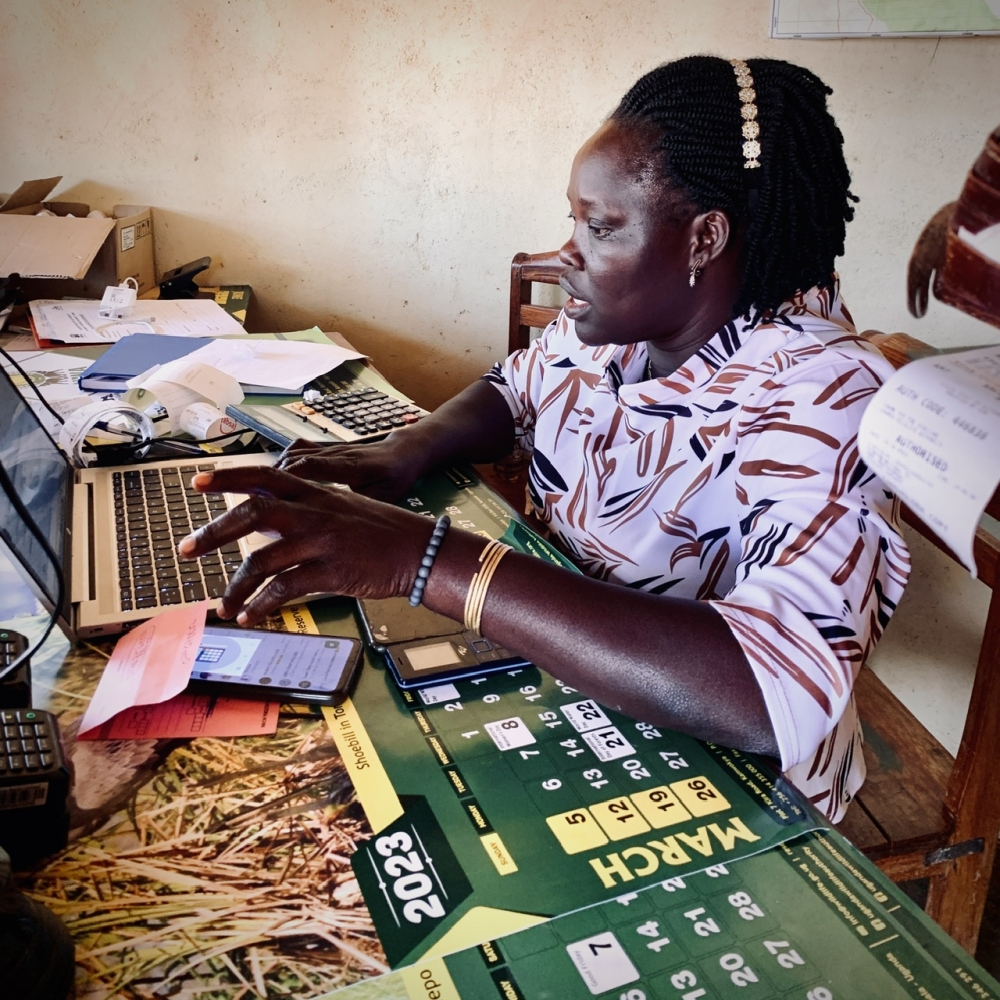
Nyamepi Office offers visitors paid Wi-Fi. At $2 for 30 minutes, it doesn’t come cheap. In my wildest dreams, I couldn't have anticipated how shockingly slow the service would be. A “Chinese torture”, for sure. Frustrating as it was, staff, their friends, family, and extended family have access to a much faster internet service (as it should be). How is this possible when the paid service hardly trickles?
I hope I am never in a position where I have to rely on Mana Wi-Fi again. The days of going off into the bush for a month without communication are long past. We all have families living all over the world, and it's accepted to occasionally keep in touch to let them know we’re ok and to find out they’re ok.
Since 9/11, the world is not the safe place we took for granted. Staff shrug and continue their WhatsApp messages on their phones or enjoy comedy shows on YouTube. The Wi-Fi hotspot under the tree provided live entertainment when an elephant came at noon to pick at seed pods.

Visitors are reminded to remove all rubbish on departure, and we diligently bagged our waste and recyclables, as did others. Unfortunately, staff often neglect this responsibility, leaving large, overflowing holes that attract flies and other pests, and roads littered with dirt and rubbish. This neglect undermines environmental conservation efforts and could harm local wildlife, which eco-conscious travellers will find concerning and want to avoid supporting.

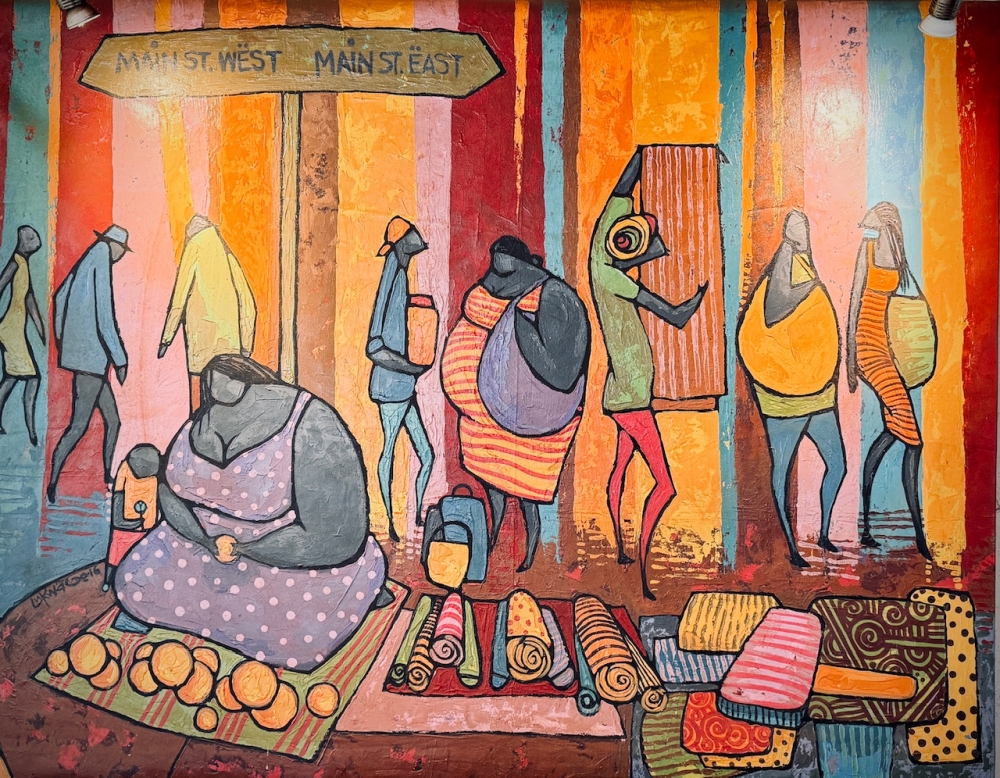
Someone asked me whether I should choose between relocating to Mozambique or Zimbabwe. Without hesitation, I’d say Mozambique. Both countries have experienced maladministration and corruption: one a 21-year civil war, the other a megalomaniac; both countries were weakened financially. Citizens left in droves to seek a better life. Mozambicans lifted their heads and, with what little they had, started bartering, selling and trading, even if it was a bowl with 5 small tomatoes or three onions.
A garden enclosed by a 3-metre electrified fence has been erected on the side of the Nyamepi staff village. Cabbages, onions and a few other vegetables have been planted. They were wilting in the scorching sun. During our weeks there, it seemed unattended and bone dry. I must concede that when we enquired whether we could buy the vegetables, we were told we could place orders at reception. We didn’t. In Mozambique, someone would’ve come around the campsites daily to flog them or set up a stall near the ablutions. But come hell or high water, they would’ve sold them.
The staff village is buzzing; storerooms are filled with new farming equipment, boats, and trucks, all sponsored by China Aid, yet the tractor is seldom seen doing anything other than transporting people. The roads into Mana are horrific, and unless you have a workhorse or 4x4 vehicle, getting into the campsite is a bother, as the road deteriorates by the hour. I’d hate to see the conditions there during the rainy season. The road from Nyamepi to the main road will take a slow vehicle like ours at least 3 hours for a mere 100km.

We supported the local spaza on two occasions. It was well stocked with drinks and some basic store cupboard goods. Nothing fresh was available. The storekeeper was friendly, and we really enjoyed browsing. I loved the Mazoe fruit cordial we bought and stocked up on before returning home. The mango flavour was particularly good.

Vervet monkeys are the cutest animals out there. The young ones are adorable, and it’s educational to watch them interact. They’re playful and funny. Baboons can be more menacing, as their social interactions and hierarchies are so much like ours, and the large males are commanding and intimidating.
They endear themselves to us, and we forgive their playful antics until they raid a tent, trash everything, open car doors, and destroy your property. We witnessed guests' helplessness on countless occasions. Many had forewarned. These animals are very smart and know how to open zippers, press studs and Velcro. When all else fails, they rip and tear. Mission accomplished.


Given unemployment in Zimbabwe, could we employ monitors to guard against this destruction? Educating guests at the office might also help. Most people do not realise that these animals have become habituated and no longer fear humans. In fact, they’ll look you in the eye and steal your butternuts, trashing the wrapping without regard. They are so nimble they can easily pop tablets from their casings, give them a lick, and spit the bitter pill aside unceremoniously. We were fortunate to employ a “camp manager” who did odd chores and kept our campsite baboon- and monkey-free (mostly).

Two days after our departure from Mana Pools, it was widely reported that an elephant had killed a German tourist. The animal was shot. The story goes that the tourist got herself between a mother and her calf. Both fatalities were avoidable, caused by ignorance. Occasionally, I’d hear new visitors comment that the elephants were “tame”. They certainly are not.
How many people or animals must be killed before the powers that be realise that all guests should receive a short orientation and presentation on animal behaviour and their responsibility for safe interactions with the animals? Knowledge is power. This could be done in the neglected natural sciences room at reception. Maybe someone could dust the specimen jars, bones, and skulls on display, or remove them. Anthropology is not a priority.


On our previous visit to Mana Pools, we went canoeing. It was divine. The guide and I shared a boat. He was fabulous, well-informed, and a great paddler, taking us downstream while safely navigating us around the hippos and crocodiles. Seeing from the canoe gave us a different perspective, and we enjoyed the exercise (I was the photographer, so I didn’t have to row or steer!). The afternoon was exhilarating.
We recommended this to a neighbour, an American tourist. He made a reservation based on our recommendation. After an hour at reception waiting for his guide and asking numerous questions, he was told the guide had taken the day off. No apology and no attempt to persuade him to make another booking. He was so disillusioned that he left the next day.
Private campsites with all amenities, transport and guides have sprung up all along the riverbank. Zimbabwe National Park presumably awards these concessions. Well run, professional, and very enjoyable, with top-class guides in attendance. This concept is probably the way forward, where service-oriented, profitable, private companies become the norm. The downside is that these exclusive campsites limit other guests' access to the riverfront where their camps are based and are beyond most budgets.
If I’d been fully informed that Nyamepi Campsite had no services and had paid accordingly, I’d have had no complaints. But we were charged top dollar for a campsite that was supposed to have working facilities, as on previous visits. These rates do not include daily park rates, which make them on a par with (or more expensive than) campsites worldwide.
It distresses me that we are being ripped off, exploited, and forced to make up budget deficits in these self-serving third-world countries, which have become accustomed to charity being doled out to them yet have no idea what service delivery is. I have a simple philosophy: one can take a client/customer for granted only for so long before they wise up, and then it’s too late. The same will happen at Nyamepi campsite. Even during the school holidays and game count, both popular times for visitors, the campsite was virtually empty. This is a loss of income Zimbabwe National Parks cannot afford unless the will to survive has left them or they see easy money in private concessions.
P.S. We heard from very reliable sources that the park and camping fees for Zimbabweans have more than doubled in recent months, and only US$ will be accepted from foreigners. Fuel prices have skyrocketed to almost $6 per litre, if you can find any. If fees have risen, they will for foreigners too. Believe me, services will not improve. Coffers have to be filled, not maintenance done. I will have to listen to the Call of the Wild on SoundCloud and use a spade when nature calls.
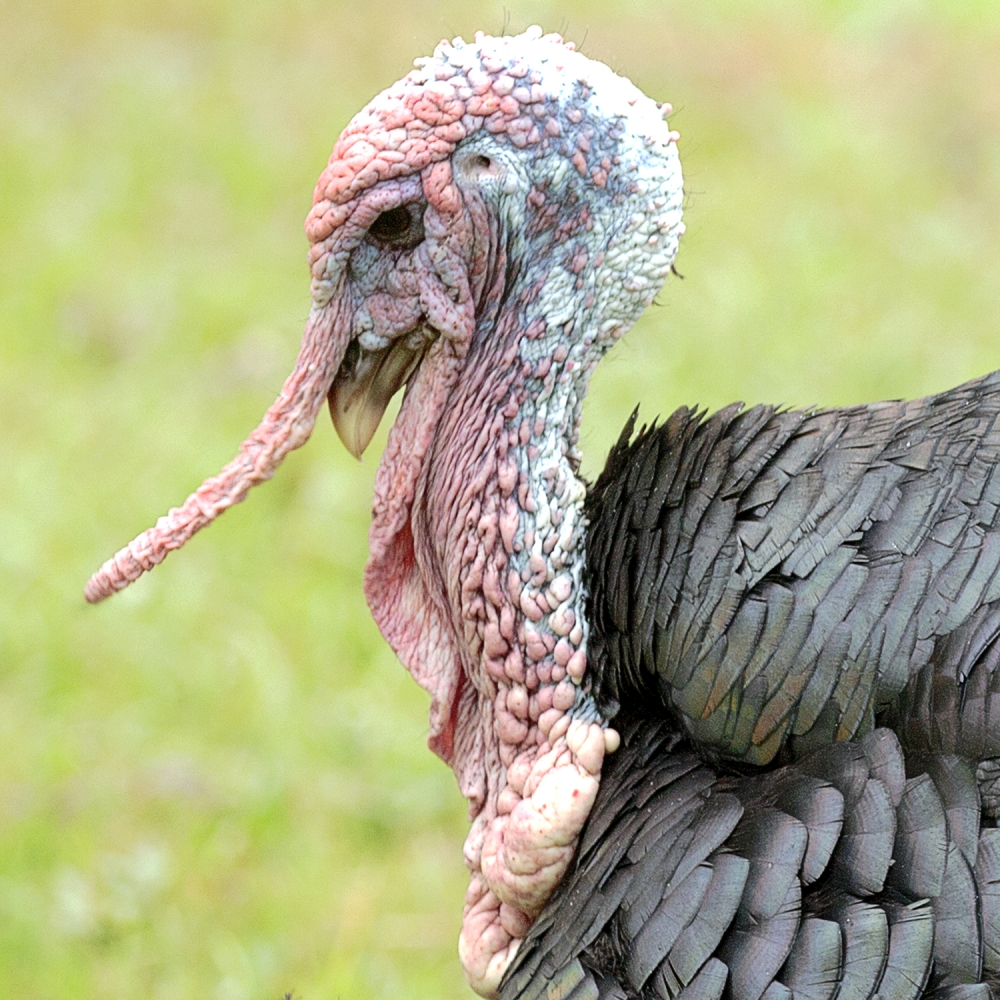
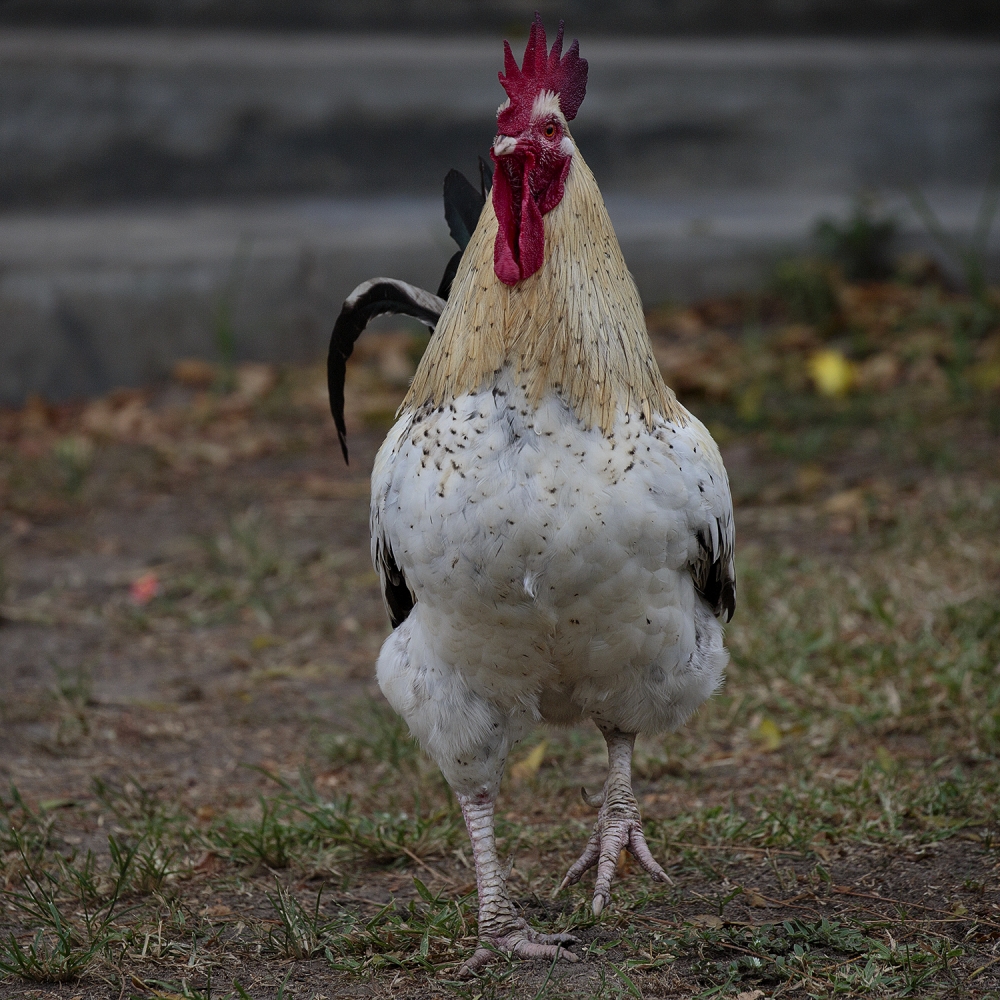
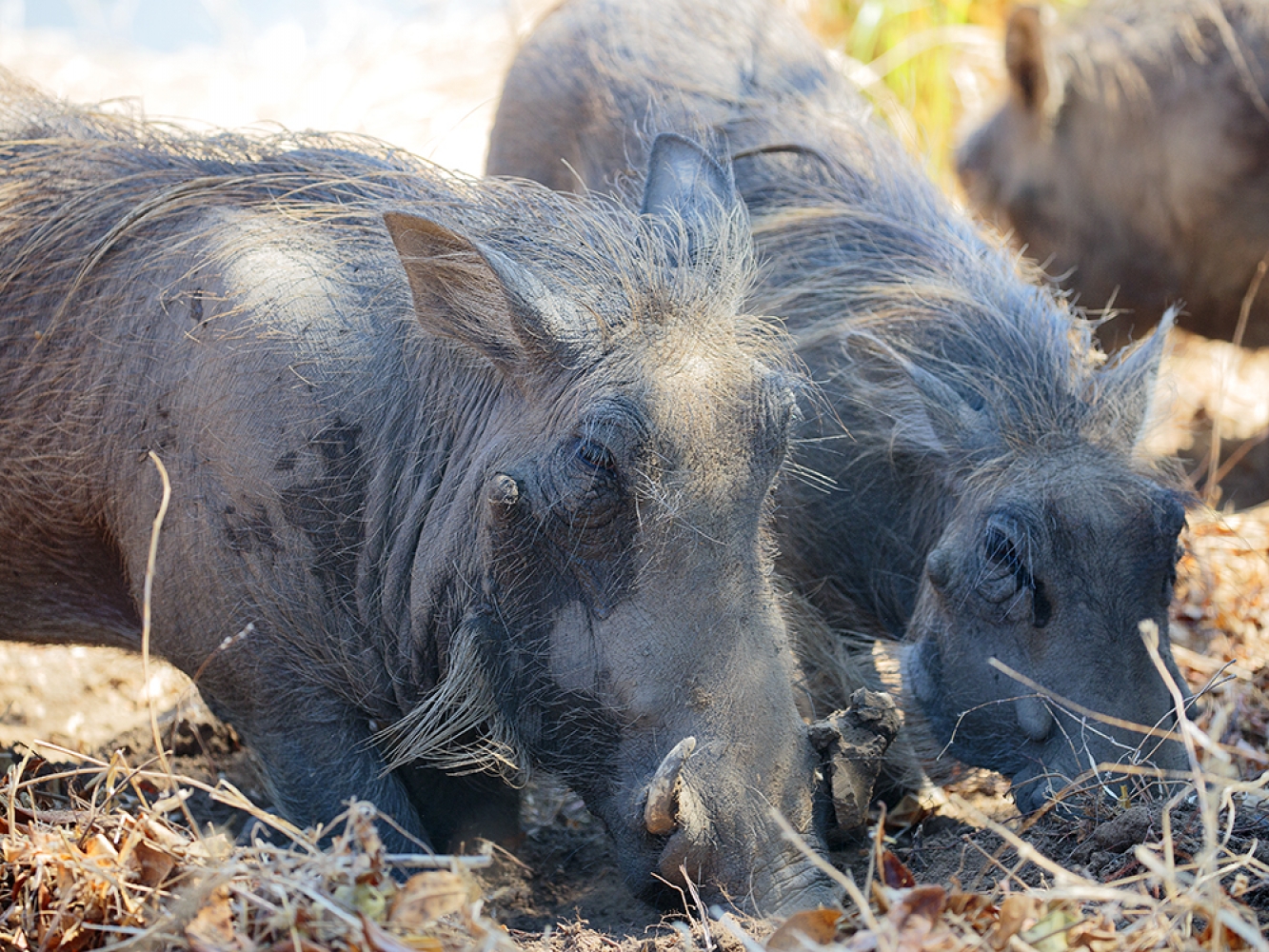
All photographs were taken at Nyamepi Campsite.


Comments


Topics
Latest Photos