Setting The Bar – Inhassoro
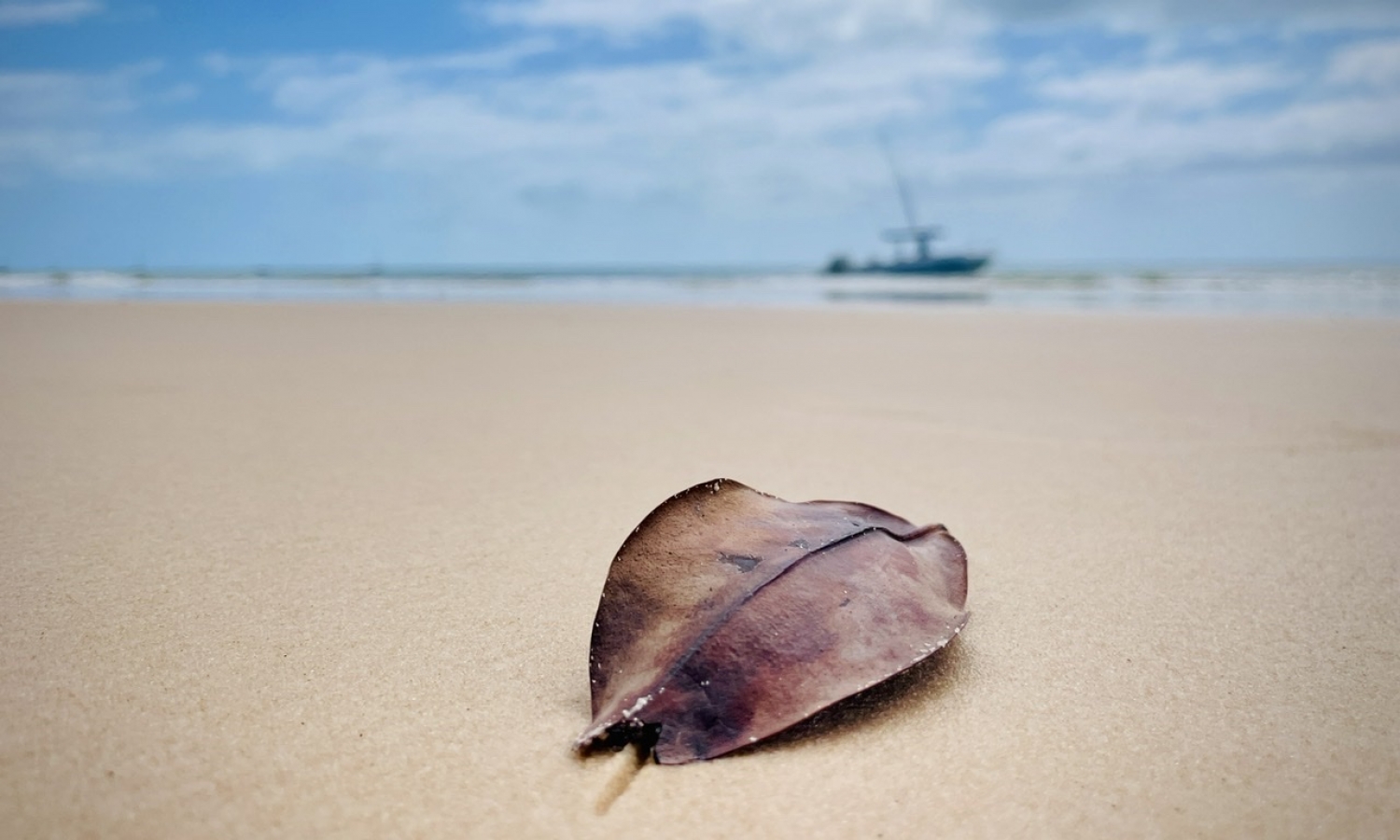
Inhassoro is a small fishing port in Mozambique’s Inhassoro District, Inhambane Province. The town has 11,297 inhabitants and lies on the Indian Ocean coast, about 20 km from the EN1 highway. Inhassoro, which looks towards Bazaruto, Santa Carolina, or Paradise Island, is a developing tourist town.

We pulled into The Star of Mozambique campsite at lunchtime because a highly rated restaurant sits across the road, and we were feeling peckish. Inhassoro is also renowned for fishing, and we hoped to enjoy fresh fish daily.


Although helpful and friendly, the campsite manager wasn’t prepared for visitors. It might’ve been Sunday that explained things. We parked by some trees and in unkempt grass. By then, I had adapted to any circumstances, and as long as the truck was level, I didn’t mind where we stopped for the night. My only prerequisite: my head mustn’t be lower than my toes when I sleep.

We set out our table and chairs, opened the windows and hatches, and set off for Rossha for lunch before the kitchen closed.
This time, a brusque baritone led an ensemble of raucous male voices that raised my hackles as we entered the restaurant, rather than soulful Mozambique marimba music. Body language can speak volumes. Butch led us to a secluded spot away from the festivities. After our long drive, we were ready to relax, and the shady, overgrown subtropical gardens and gay palm-fringed umbrellas beckoned.

On a boys-only fishing trip, a pod of very rowdy South Africans, brandy-and-coke-swilling, choked the small splash pool. Fortunately, the leading man had them engrossed and enthralled; they were hanging on his every word and didn’t give us the time of day.

We ordered grilled prawns and a salad for lunch. The prawns were lightly steamed. The griddle pan wasn't hot enough, and our prawns weren't grilled the typical Mozambican way, on red-hot charcoal and slightly charred. The slap in the face was the Nando’s peri-peri sauce. In one fell swoop, we were back behind the Boerewors Curtain, made worse by the Spotify lunch playlist featuring “Best South African Male Voices”. Robbie Wessels, Jack Parow and the boys boomed from a small portable speaker. We left as Steve Hofmeyr crooned Engelbert Humperdinck in Afrikaans. The perfect cue, reminding us we needed to explore.
---oOo---


We enjoy our after-lunch coffee on the beach, watching local children play in the waves. Sundays are family days, and those with access to the seaside spend the afternoon there.


One teenage boy, single-handedly manoeuvring his handmade wood-and-polystyrene boat, was particularly fascinating. His single-minded determination was extraordinary. We watched him launch his boat into the swells and row off to meet other fishermen as they prepared their nets before sunset. The dark grey, almost black sand surprised us, and we wondered what caused the colour change. Could it be an oil spill or a fine heavy metal sometimes found in sand?


At sunset, while Butch caught up with his loved ones at home, I took an investigative stroll around the interesting property. I could imagine that in better days, when the owners were there and the guest list was full, this whimsical off-the-beaten-track lodge would be an oasis.


---oOo---
The following morning, we gathered sticks and followed the manager's recommendation to try an alternative, better campground on the other side of town—Goody's Vilas and Campsite.


---oOo---
This was more like it. Along the way, we stocked up on delicious pão, Mozambique bread rolls, and stopped at a small stall to pick up half a dozen plump Italian tomatoes and golden pears for dessert. The language barrier made the exchange difficult, but we soon had an interpreter who sorted out our currency misunderstandings with the pretty but suspicious, sullen stall-keeper.


The drive to the new campsite on the southern side of Inhassoro let us explore the lay of the land and the village we would've missed had we stayed put, even in the Honey Badger.


Set out on a rugby-pitch-sized piece of land. Goodies Campsite was carpeted with a lush green lawn beneath large indigenous trees and coconut palms. The evenly spaced trees beckoned us to hang a hammock, and while I did some chores, Butch read his book, swinging like a metronome in the gentle sea breeze. For the first time in many weeks, I took a day off and read my book.


Simon was our fish vendor and would arrive every afternoon with his catch of the day. Crayfish were always welcome. Butch did his usual sterling job on the braai, drenching them in garlic butter. They were moist and delicious once grilled. We spiced things up with authentic piri-piri, freshly cracked black pepper, and a squeeze of lime juice from the market. The salad accompanying the crays was simple: cucumber, tomatoes, and sliced onion—the way the Portuguese have always made their salads—dressed with olive oil and white wine vinegar.


Mozambique is a prawn lover's dream destination. Here, it's a given that what's served comes straight from the source, the Save River, or is harvested from one of the many coastal inlets. Simon brought the pick of the bunch for supper. These were a different species and didn't turn pink when we braised them, but remained a creamy salmon colour. Still delicious.


The cockles/clams brought in a box on the back of his bike were a special treat. Butch set to work on the shells, ridding them of barnacles and seaweed right after we dunked them in a bucket of cold, fresh water to remove any sand. Butch said it took a while and a lot of elbow grease to clean those babies to his satisfaction. While he painstakingly scrubbed, I sautéed chopped onions and garlic in butter. The reduced bottle of good white wine formed the sauce, ready to steam the white mussels in.


We steamed them longer than we should’ve until we realised the shells didn't open as wide as black mussels' shells and needed to be pried or shucked to release the meat. Although the process was lengthy, we were delighted by the taste and texture and enjoyed the new culinary experience.
---oOo---
Our last supper was at Brisa Mar Lodge and Restaurant, where the curried mince samoosas were delicious. The wait for the piri-piri chicken showed it was freshly prepared, not reheated from the deep freezer. The delicious, smoky, spicy chicken, off the coals and onto our plates, was worth the wait.


We’d hoped to speak to the owners who had been recommended to advise us on roads and routes to Gorongosa National Park. Unfortunately, we’d have to wing it and rely on our trusty Garmin, which was acting up. The South African owners were taking a break at the end of the season.

---oOo---
Our fruitful forays along the coast let us stretch our legs as we explored the beach. Ancient wooden fishing boats and dhows, painted in bright colours, set sail or prepared for the journey to the Bazzaruto islands in the distance, while others set out for the daily catch or to ferry passengers. Dockers loaded the hulls with cargo: heavy parcels, drums filled with diesel, and plastic containers filled with water.


While beachcombing, I found some interesting shells, watched men mend their long nets, and was surprised by the vast colonies of Terns and gulls feeding on the sandbanks exposed at low tide. Such a welcome sight after many years on different shores; they were back. We were in our element. When I was younger, lying on the beach, well oiled and with a book, was the epitome of beach life. Now I search, notice, and enjoy the wonder of life on the beach, and I rarely find time to lie there.


---oOo---
Full of bravado and Dutch courage, we decided to take on our own challenge and cycle to Bartholomeus Dias, a spit of land forty kilometres from our campsite. Rumours on the tides suggested we shouldn't miss it.


We set off early(ish) one morning. The journey along the beach began like a walk in the park. We pedalled easily along the hard sand at the tide’s edge and kept to our track.


Of course, we were being over-ambitious, and after fifteen kilometres, we took our first water break and kept going at 20 km. Pedalling grew harder as the sand softened, and we had to climb up the beach and back down to find the hardest sections. Motorbikes and even a truck passed us, hooting, aware of the conditions.


At thirty kilometres, I called it a day. Hot and exhausted, I stood at the foot of the stairway to heaven, realising it would be foolish to push my luck. Looking up into the sunlight, I might've seen the angel Gabriel! Most likely, I wouldn't make it to our campsite, and Butch would be stuck with me as the tide turned and rushed up the beach, making it nearly impossible to cycle back or find an alternative route home.


With only ten kilometres to an upmarket lunch, I chickened out and we turned back. This time I engaged the E on EBike and enjoyed the ease of my battery's assistance as it carried me home. We made it home hot and heaving, but proud to have done sixty kilometres, our all-time cycling record. Later, as we recuperated, we acknowledged we’d done spectacularly, and that sixty kilometres on the beach should not be sniffed at. We’d set the bar, reminding ourselves that nothing great happens in comfort zones.


---oOo---
Three other vehicles pulled in while we camped at Goody's, two of them missionaries returning to South Africa. This was excellent news; we would hear fresh updates on routes to Malawi and the interior, where we were heading to renew our tourist stamp at the border.


While I was doing laundry, Butch had the chance to speak with Danie Murray, a remarkable man attached to an unspecified Mission in Zambezia province. He advised us to travel to Dombe, Chimoio, and Mutare. He suggested we spend the night at the Buffalo Lodge and campsite, where Willie would recommend the roads further north. Butch was a delightful gentleman, eager to share his knowledge, and he could assist us at any time.

Jonathan, a vivacious blogger and social media guru, and their two daughters were a delight. Lanky and languid, Jonathan dressed in monochrome, and he made me smile because he reminded me so much of my brother Mark, not only in looks but also in mannerisms. Seeing someone's double is like a kiss or a hug from afar; it soothes my spirit and eases the longing. Jonathan and Cecile were on their way home after helping survivors of the recent floods and cyclone, feeding, clothing, and nursing villagers left bereft and homeless, in dire need of shelter, clothing, and food. Water is scarce, so they delivered fresh water to prevent people from drinking contaminated water and contracting cholera.


The girls were scraping the flesh and enjoying it, sucking the stones from a baobab pod for breakfast. Cecile introduced me to this miracle food. We bought two later and will add the scrapings to our smoothies. They told us where to go in Malawi and recommended staying with Wynand and Beaulah Theron, who have a campsite on the Zambezi River near Tete.

With our ears to the ground and an address book full of phone numbers and campsite names, we met a network of expats with invaluable local knowledge. We learned to ask questions and to trust kind strangers who had our best interests at heart.


---oOo---
The view from our bed was spectacular, and spending the early hours listening to the sea set a good tone for the rest of the day. My internal compass struggled with our direction. We faced north, looking out to sea. I had to recalibrate. When the sun set that night, I reoriented and enjoyed the tangerine colours of the night sky.


Butch had done his laundry; I had filled our baskets with fruit for our smoothies; we'd had heavenly meals, met wonderful people, and enjoyed hours of leisure time. It was time to leave the coast and head inland to have our passports stamped, granting us another thirty days in magical Mozambique.

Our journey continued along the EN1, but the roads changed. We enjoyed delicious peanuts sold by the roadside, either roasted with a sprinkling of salt for flavour or raw in the shell. Unbeknownst to us, the road less travelled would become gruelling in the days to come. We would need our strength.


For Fish, contact: Simon at +265849094485


Comments


Topics
Latest Photos