The Wall - Kariba Dam
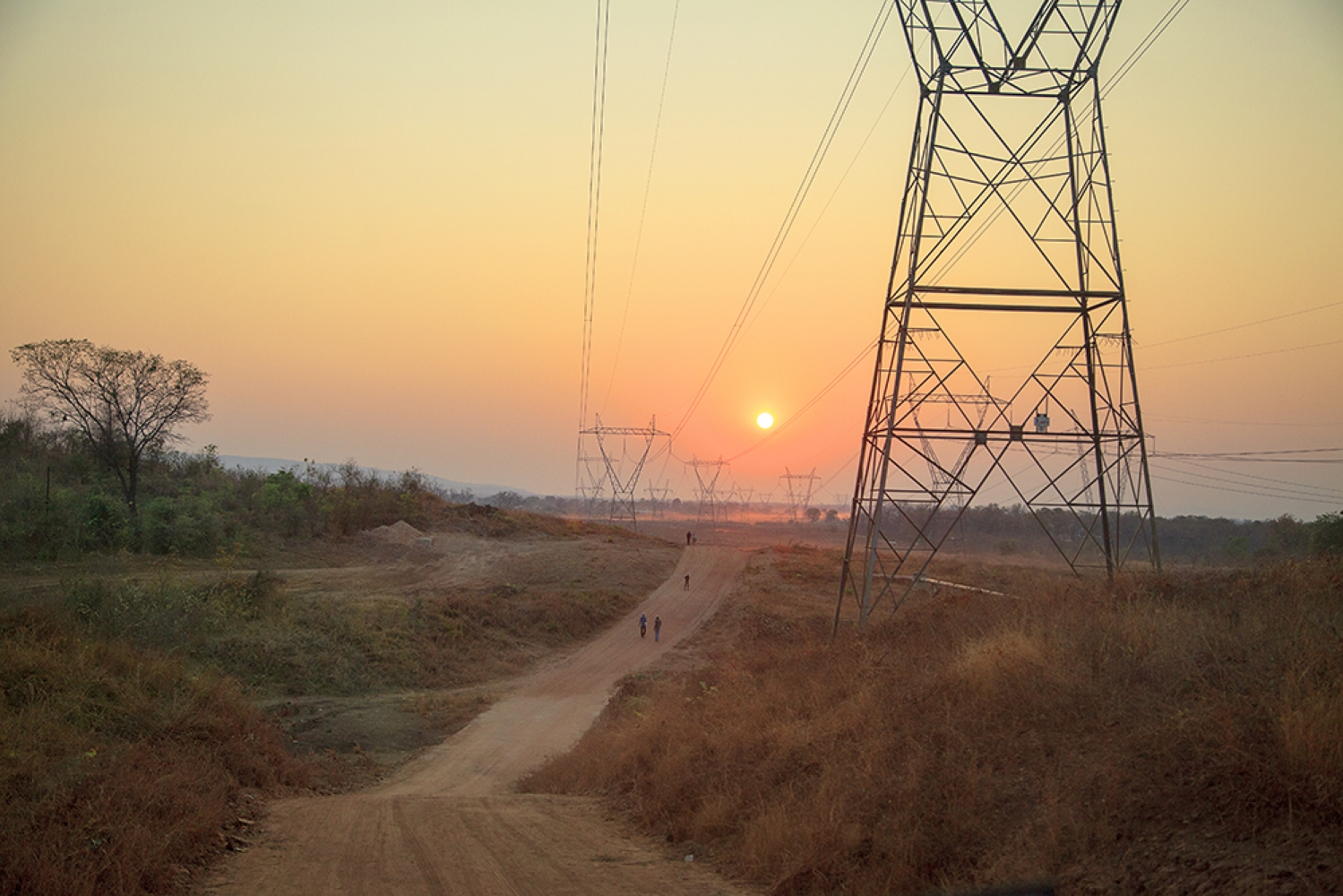
It was time to wave goodbye to Mana Pools. A month was just long enough, and I was excited to resume our road trip and head to our next destination, Kariba.
All the stories I’d heard about Kariba conjured images of holidays, fun, and houseboats. Romantic. We, of course, would not be staying in a houseboat. We would’ve liked to, but our holiday had ended in Mana Pools, so we were returning to South Africa via Kariba. A special detour so that I could see the dam and the WALL! I read about it on a blog by Dan from theroadchoseme.com, who highly recommended the detour for its impressive sights.
The bumpy three-hour trip from Mana to the main road had my jaw muscles jittering and my stomach muscles aching. I’d also, according to my Garmin watch, completed my steps for the day, setting a record.

The trip to Kariba is easy, passing through valleys and along escarpments, with winding roads on the hills, all on good, tarred roads. Unfortunately, we were there during the dry season, so many of the deciduous trees were bare; some even sported autumnal leaves. The landscape mixed rugged hills with open plains, making the drive visually interesting. The road was not busy at all, and we made it to the village of Kariba in no time, just as our diesel tanks were getting low.
Fuel was a problem in Zimbabwe; we faced long queues, delays, and uncertainty about the actual ETA of fuel tankers. Fortunately, we found a diesel pump in the village for our friends, who’d earlier bought petrol from a jerry can. A kindly lady at a little shop near Makuti sent a boy into the village to find someone who knew someone with an uncle who might have fuel. He appeared a few hours later with the jerry can and filled them up. Butch was horrified, of course, as he could visualise dirty fuel, diesel instead of petrol, and a nightmare of other potential disasters. Bronwynn trusted him, and voilà, all was well.
At the petrol station, their credit card wouldn’t be accepted; only USD, the official Zimbabwe card, or Zimbabwe Bonds were accepted. Fortunately, Butch still had some Zim Bonds, and he could help them out! We all had a moment there.
We were only staying the night and would head off early the next morning, so we chose accommodation near the main road. Our campsite at Lomagundi Lakeside was perfectly situated on the lake, under beautiful old trees on a lush green lawn. I hadn't seen green for so long; it felt quite luxurious.
I hadn't had the luxury of a “restaurant” meal for quite a while, so we settled at the bar for lunch with excitement. Butch immediately went for the Kapenta, tiny freshwater fish from Kariba, crisply deep-fried. I didn’t try them, but he recalled eating them in Zambia as a child with the staff. We all had hamburgers, and they hit the spot perfectly. After lunch, we said farewell to Bronny and Lorraine, who headed off to their lodgings for an afternoon of leisure. They deserved it.


Butch and I went in the opposite direction to view the dam wall. Butch's earlier visits to the wall had been prohibited for security reasons.

I could never visualise the enormity of Lake Kariba; it is exceptional. It is miles across and hundreds of miles around, with many villages, farms and settlements along the banks. In one yacht basin close to shore, we saw literally dozens of houseboats moored. Business was quiet. We wondered whether this was normal or just off-season. I hope it was off-season, although we did hear that the tourist industry had taken a huge knock.

We had our passports stamped at the immigration office, then set off to walk the length of the dam wall. This structure is truly one of the most spectacular sights in the world of dam building! I had never imagined such an engineering feat, and standing there, I felt awe at its scale and purpose.


The first impression is that the Bank of China has stepped in to finance this gigantic operation with loans to Zambia and Zimbabwe, which will undertake it in collaboration. The workforce is from Zimbabwe and Zambia, the paymasters of Zambia. Trust in the Zimbabwe government seems sketchy. We were told that if loan repayments lapse or dwindle to nothing, the magnificent dam and the hydro-electricity it produces will belong to China. That is called business.

I have visited a couple of our national treasures and have been impressed by the engineering. In fact, as a child, I saw the film Dam Busters, in which Allied forces bombed huge dams in Europe to halt the advance of German troops, and I found it unimaginable. As I stood on Kariba Dam’s wall, I felt a chill run down my spine, goosebumps rising as I thought about the devastation if something went wrong. My mind won’t wrap around the thought. Just as well.

Thinking about the environmental impact, I wondered whether the forefathers who built this dam would still pursue their vision today, given the cost to fauna and flora, hoping to inspire reflection and concern in my audience.


Nevertheless, it gave me weak knees to walk along that wall, looking down at the dinky, toy-sized construction vehicles working below. Imagine 200 m high, at least 40 m wide. Down below, workers had to go from one platform to another on a rubber duck; from where I stood, they looked like toys.

Soon, the sun was behind the koppies on the Zambian side, and workers were being transported home after a long, hard day in the sun. It was time for us to head back to our campsite. I had to mull things over. It was certainly worth the detour. Who knows, maybe one day I’ll have the luxury of surveying the landscape from a houseboat. I’d really like that. We had turned south again, and we were ready to go home.


We returned to our campsite via a couple of bush pubs so we could recommend stops to friends in the future. Back at camp, we spotted our friends, the lovebirds; they were setting up their rooftop tent, and it only took a few minutes. We had supper at the restaurant, watching the sun set over Kariba as a houseboat gently glided from its mooring to spend the night on the water. For supper, the girls had steak and the boys fresh bream. Locals were chatting up a storm while some watched football on the big screen. It was good to be back in civilisation again.
Now and again, one could hear a hippo blowing and clearing his throat, as only they can. The crocodiles had returned to the water after a hot day spent lazing on the scorching sands at the water's edge. This is my Africa.


Comments


Topics
Latest Photos