We've got to talk about THAT
I sigh (I do that a lot when I’m sad or depressed) as I open the fridge door after weeks away. Not because it’s a shambles. It’s because we “save for rainy days”. Why do we do that? I look at the shrivelled carrots, the drooping celery sticks, and the blackened fine green beans. As I drop the pathetic-looking remains of the Venison Salami and the rock-hard wedge of Pecorino cheese, along with mouldy bottles of jams, syrups, and pestos, into the bin, I realise how important it is to enjoy treats in the present, which reminds us to appreciate what we have now rather than waiting for a perfect moment that may never come.

I had a Grandmother who hid beautiful summer peaches so we wouldn’t “scoff the lot in five minutes”. Instead, they rotted right there in their hiding place because we all forgot about them. All we had was the stench of soaked, gangrenous cardboard. Trying to find Ouma’s hidden gems was a favourite game we played once the dust had settled after they closed the last squeaky gate on their way back to their farm.
Our mouths watered when my Mum brought out the monkey nuts, raisins, dried peaches and guava rolls as friends arrived. We dribbled by the time my Dad had sliced our portion of beef biltong, each child receiving exactly one inch of the thinly sliced piece of deliciousness, with its buttery strip of fat, a very special treat when we went to the Drive-in. The vintage cake tins of fruit cake, soetkoekies (butter biscuits), and Beskuit were placed so far out of our grubby reach that we’d stare at them for hours. I’m sure much went to waste too, because that, I’m afraid, is the nature of the beast.

Our stash of biltong and droewors has dried out so much I’m sure polystyrene would taste better; the pieces snap in my hand as I rub away the white mould—such a waste.
No, that’s got to stop right now. I’ve put my foot down. From now on, we’ll enjoy our treats as we buy them. I’ll savour the memory instead of tossing them into the bin once they’ve gone well past their sell-by date or decay has set in—my last thought as I drag the black bag outside and dump the waste.
Now I know why my beloved looked so pale and wan when I saw him at the airport. Poor thing didn’t eat. He was like a pining pet; he couldn’t face the fridge with all the delicious fresh vegetables, salamis, cheeses, soups and winter fruits I’d lovingly selected for him. He probably managed to stay alive on pre-packaged dinners and a packet of apples; the remaining two looked like destitute refugees. He wouldn’t dare venture as far as 2-minute noodles and a cup of soup.
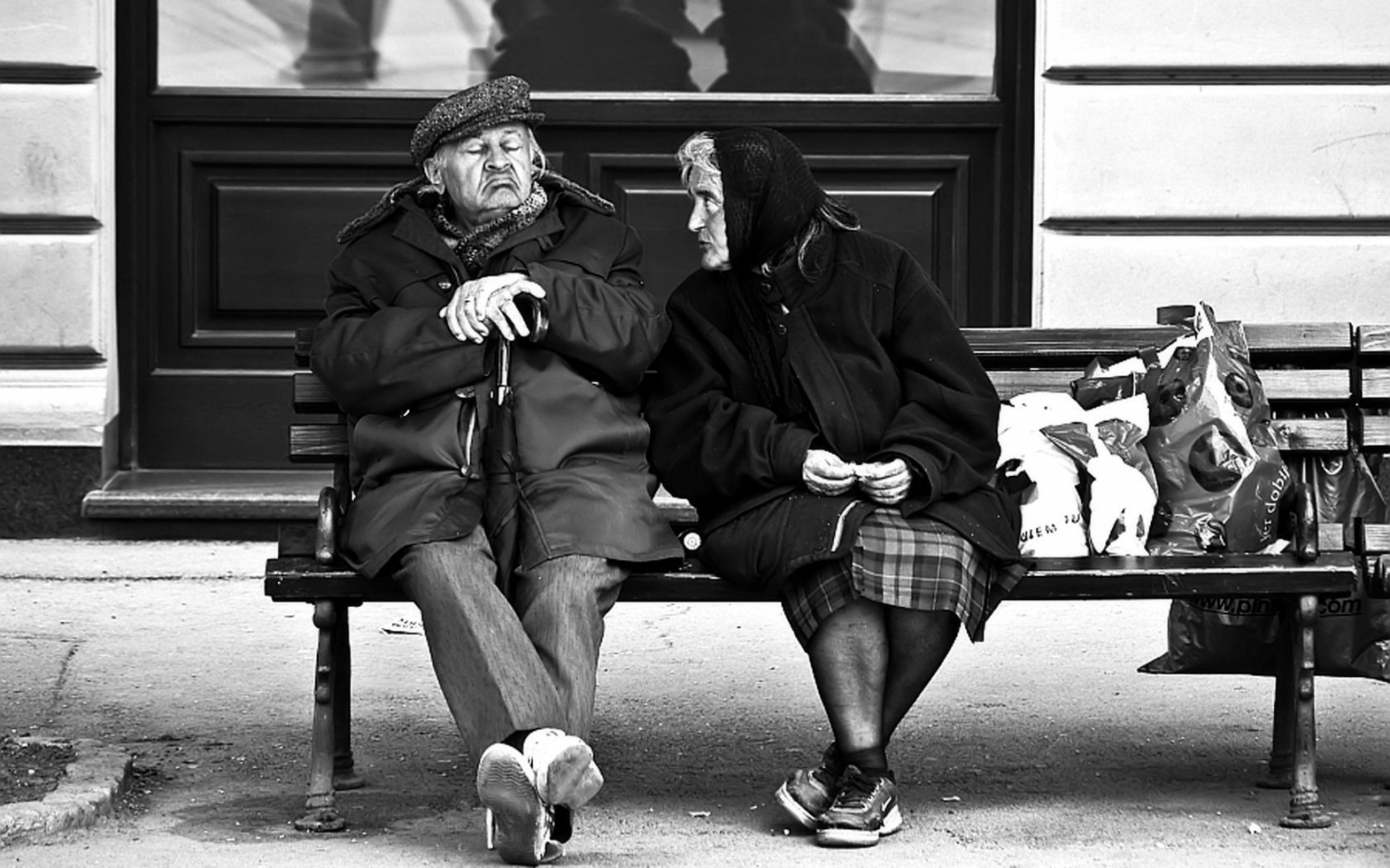
In recent months, I have had to say goodbye to friends who, due to ill health, have had to move to sick bays and frail care centres; another who hasn’t been well since January and is so frail she’s become bedridden. My bridge buddy, who only 3 weeks ago was still able to do the crossword puzzle, is desperately ill, with organs shutting down and her mind wandering; she’s virtually blind and deaf, her speech so garbled and incoherent as she labours to breathe. These things happen unexpectedly and, like a thief, rob us of the life we know.
What they all have in common is that their lives are no longer their own; these once-active, independent, vibrant women have become entirely dependent on medical care, carers and their children. I want readers to feel empowered by the idea that making a Will will allow them to maintain dignity and control over their end-of-life choices, which is essential for peace of mind.
Which brings me to my second thought. Dying. If there’s one thing we’re all going to do, it’s that. We’re going to pop our clogs, kick the bucket, and reach for the stars. How or when we do it remains a mystery.

Butch often stresses that “A last will” is exactly that; it’s the testator’s LAST. WILL. AND. TESTAMENT. You or I have no right to influence them, expect anything of them, or demand anything of them. As we update our Last Wills and Testaments, I want readers to feel a sense of responsibility and reassurance that addressing these issues proactively can ensure their wishes are respected and reduce stress for loved ones.
My most fervent wish is that my death will be swift, painless, dignified and without a fuss. I think we all do. Sadly, it’s the one thing we can’t order. We have to go with the flow. I sincerely hope I will receive the best possible treatment if I should become seriously ill, for I trust my medical practitioner and Medical Aid. So, on that score, I can't do more.
The best time for me to Spring Clean is just before I go on holiday. I make sure my cupboards are tidy, all the spices have been checked and stacked in neat, colour-coded rows, my floors are spotless, and my house smells like a bouquet of spring flowers. That's when we tend to dig up the wills and insurance policies, do security checks, and set off the alarm to spot-check ABC. My desk gets cleared, and that terrible stuck drawer gets tidied.
The car was serviced. Why, I don’t know. Keys are found for all the doors. Finally, I make sure I have an extra set of clean underwear ready in case of an emergency. Why? Well, when the final whistle goes, you don’t want anyone saying your underwear was a little tatty, do you? My mother would be mortified if she knew I didn't have a new set of pyjamas ready for... the unspeakable.
After listening to our friends and family, we decided to take the crucial step of having our Living Wills legally drafted. We encourage readers to consider doing the same for themselves.

Yes, we each have a Living Will. It’s to safeguard us and to stop our nearest and dearest from making difficult decisions on our behalf when we are unable or incapable due to ill health or mental or physical constraints. It’s such an emotional decision that we can’t trust them to make the right choice on our behalf. How can we? How can we expect our spouses, partners, parents, siblings, children, grandchildren or friends to pull the plug on us? Our doctors can’t; they’re bound by their Hippocratic Oath to keep us alive. Our attorneys, accountants, or bank managers can’t; they’ll be accused of conniving. The only institution that will ultimately assist will be the Medical Aid when our benefits run out, that is.
It’s not difficult once one sets one’s mind to the reality. A trusted attorney will draft a written statement detailing a person's medical treatment preferences when they are no longer able to give informed consent.
A copy of my Living Will was sent to my parents, siblings and children. My attorney has a copy, and so does my G. I have made my wishes clear. Sir Roger Moore’s children said, “The love with which he was surrounded in his last days was so great it cannot be quantified in words alone.” That surely must be our ardent wish too. Think about it, and don’t leave what surely should be your choice until it’s too late.
I have copied the following piece from the Internet:
“There are two fundamental documents that need to be executed during your life to ensure you receive the kind of healthcare you want if you are ever incapacitated. The first is commonly called a living will, an advance directive, a patient advocate designation, or something similar. Regardless of their name, these documents allow you to instruct physicians and healthcare providers about the kind of healthcare you want and don't want if you cannot tell them yourself. The second document sets out who has power of attorney for your healthcare decisions so they can answer questions that may not be addressed by your living will.”
MTB, my attorneys informed me that, under South African law, the power of attorney will remain valid only for as long as you can withdraw it. For example, if you fall into a coma, it will no longer be valid.
"Living Wills
The first document you need to create to ensure that your medical wishes are honoured is usually called a living will. This written document sets out how you should be cared for in an emergency or if you are otherwise incapacitated. It sets out your wishes regarding resuscitation, desired quality of life and end-of-life treatments, including treatments you don't want to receive. This document is primarily for you and your doctor and outlines how to approach your treatment. Try to be as specific as possible in this document, recognising that you can't account for every possibility. This is where the durable power of attorney for healthcare comes in.
Durable Power of Attorney for Healthcare"
The durable power of attorney for healthcare is given to the person you want to make medical decisions for you in an emergency. Even though you set out your wishes in your living will, such documents can never cover every circumstance, and the person with a durable power of attorney for healthcare can make decisions not covered by your living will.
Keep in mind that the person with a durable power of attorney for healthcare can never contradict the terms of your living will. Rather, that person is there to fill in gaps for situations not covered by your living will, or in case your living will is invalidated for any reason.
Other Names for the Power of Attorney for Healthcare and the Advance Directive
Depending on your state, the person you grant a durable power of attorney for healthcare to will typically be called your "agent", "proxy", "attorney-in-fact", "patient advocate", or "surrogate".
The typical rights for this person include:
Finally, note that in some states and countries, the living will and the durable power of attorney for healthcare are combined into a single document called an "advance health care directive".
Do Not Resuscitate Orders (DNR)
One of the most important parts of your living will should set out your wishes regarding resuscitation. You can ask your doctor to add a Do Not Resuscitate Order (DNR) to your medical records, and you should also create a pre-hospital DNR to keep nearby to prevent paramedics or your healthcare facility from attempting resuscitation.
COPIED FROM: http://estate.findlaw.com/living-will/the-definition-of-power-of-attorney-living-will-and-advance.html

Comments


Topics
Latest Photos